
Our Story
Welcome to Little Foot Yurts!
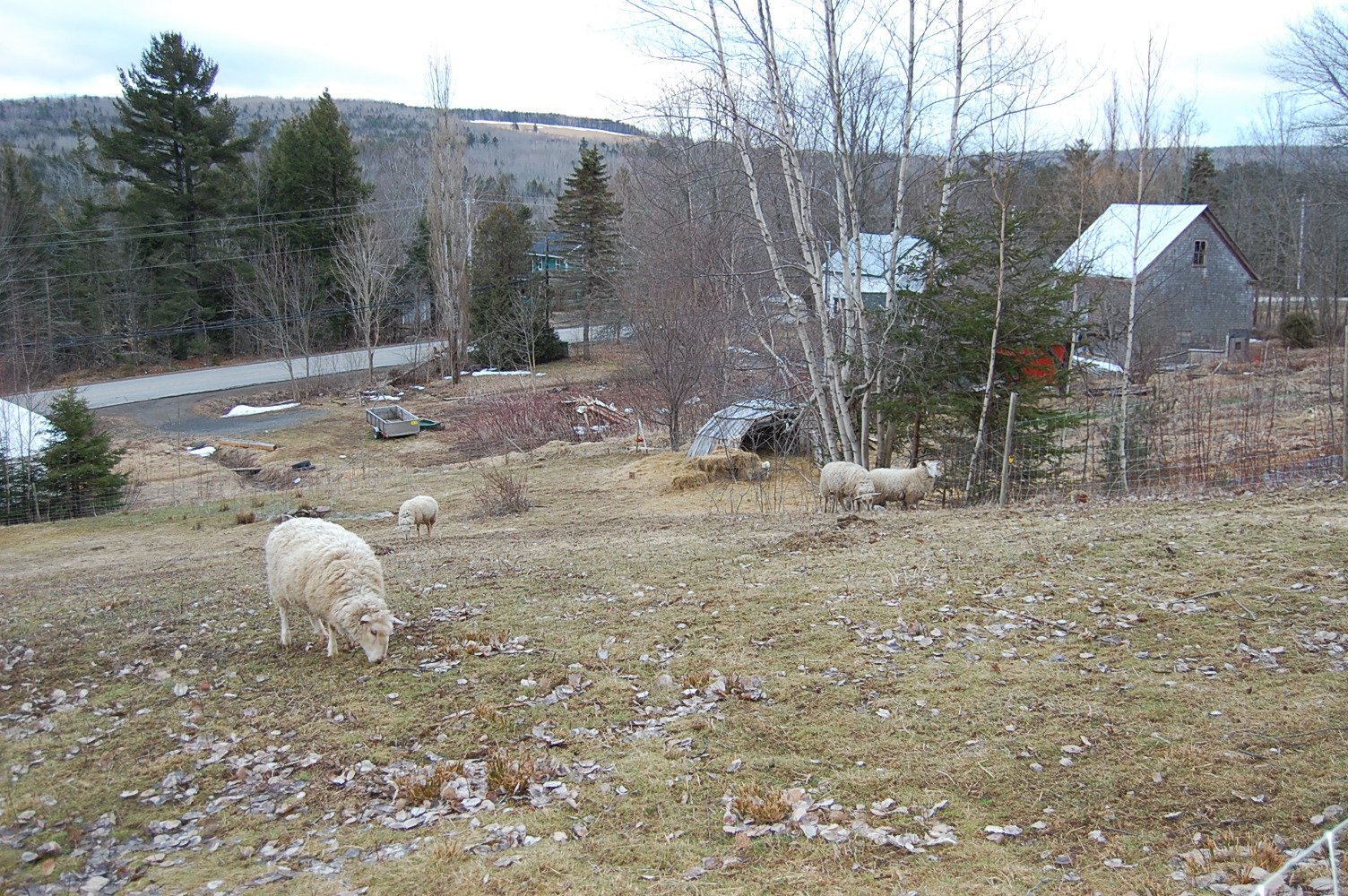
We’re Alex and Selene Cole, and live and work in Mi’kma’ki, the traditional territory of the Mi’kmaq people. We are grateful to call Sikunme’katik (Gaspereau Valley, Nova Scotia) our home, where we have been blessed with a beautiful property that encompasses both forest and field.
This stunning landscape has provided the perfect backdrop for our home-based business, which includes a yurt manufacturing barn and textile rooms. It has not only allowed us to develop and grow our business but also to raise our children in an environment rich with natural beauty.

-
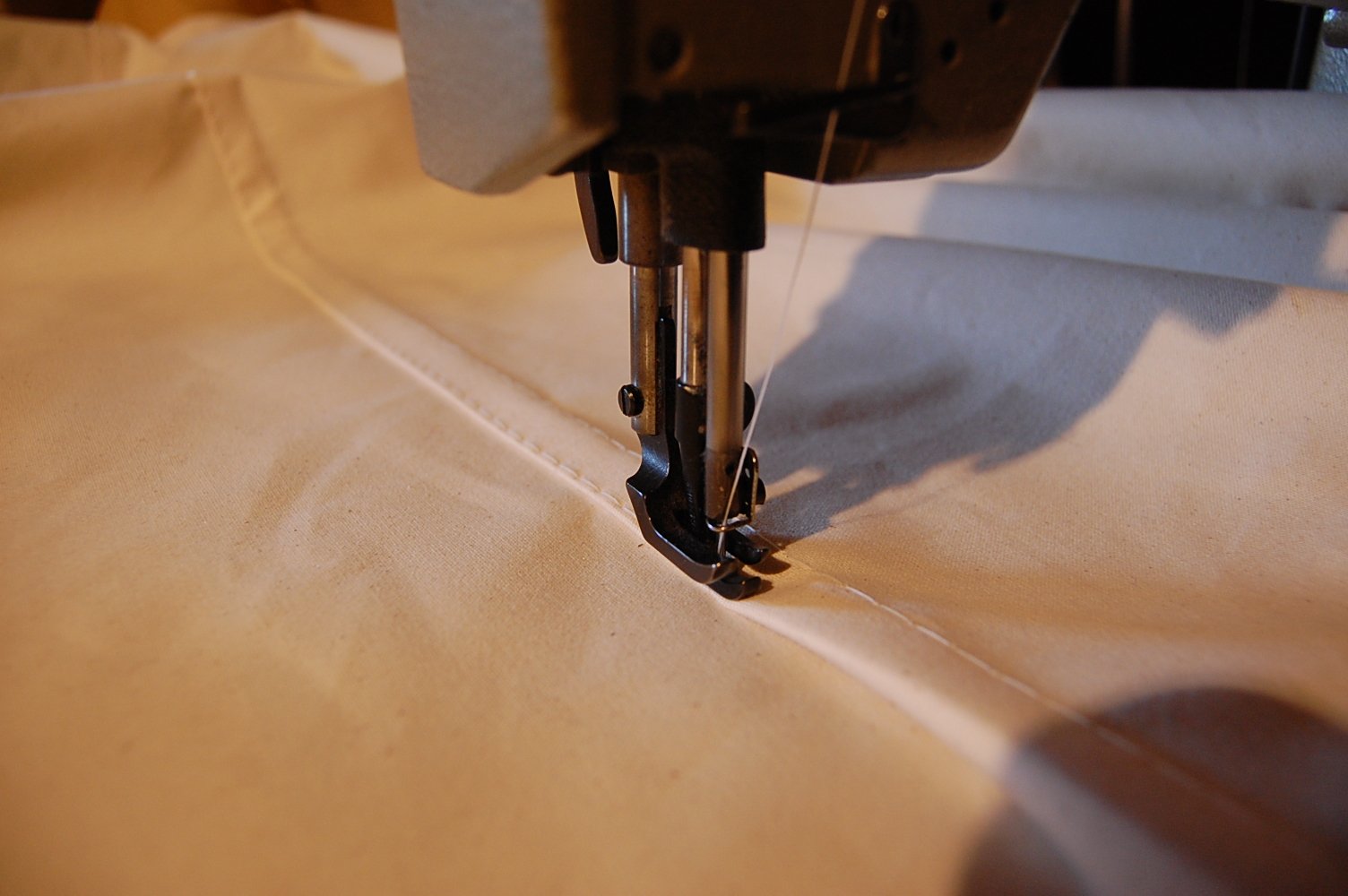
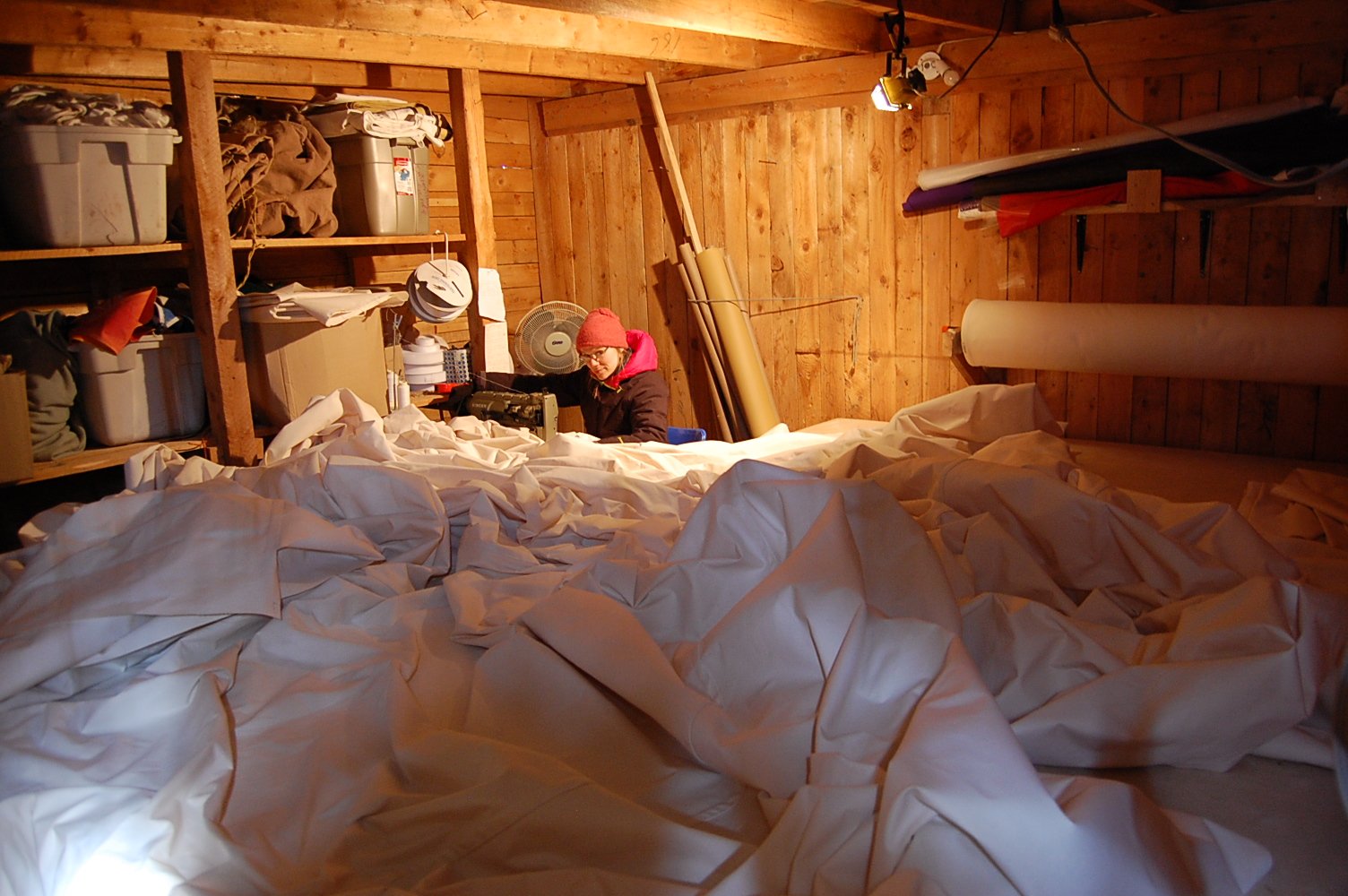
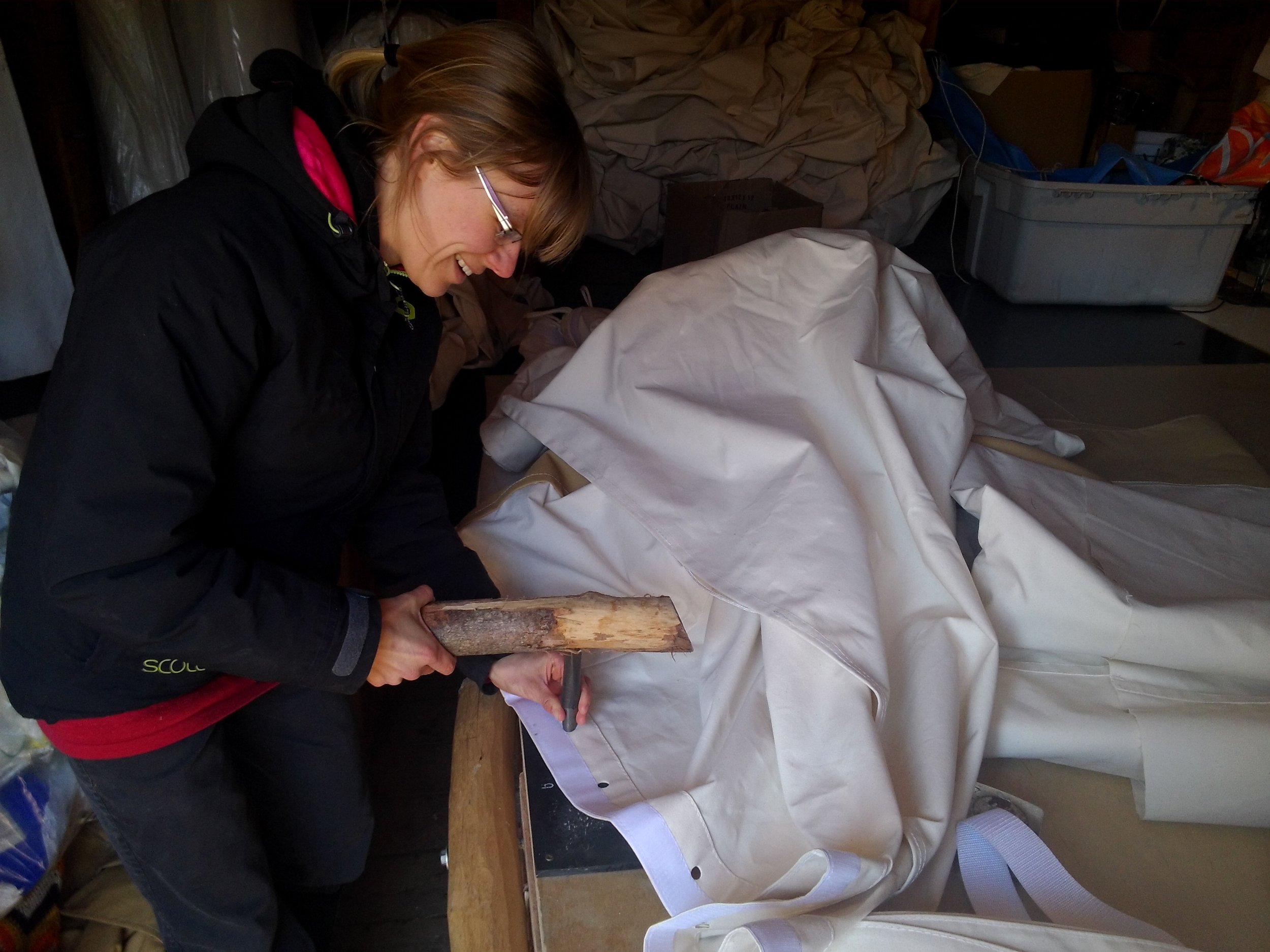
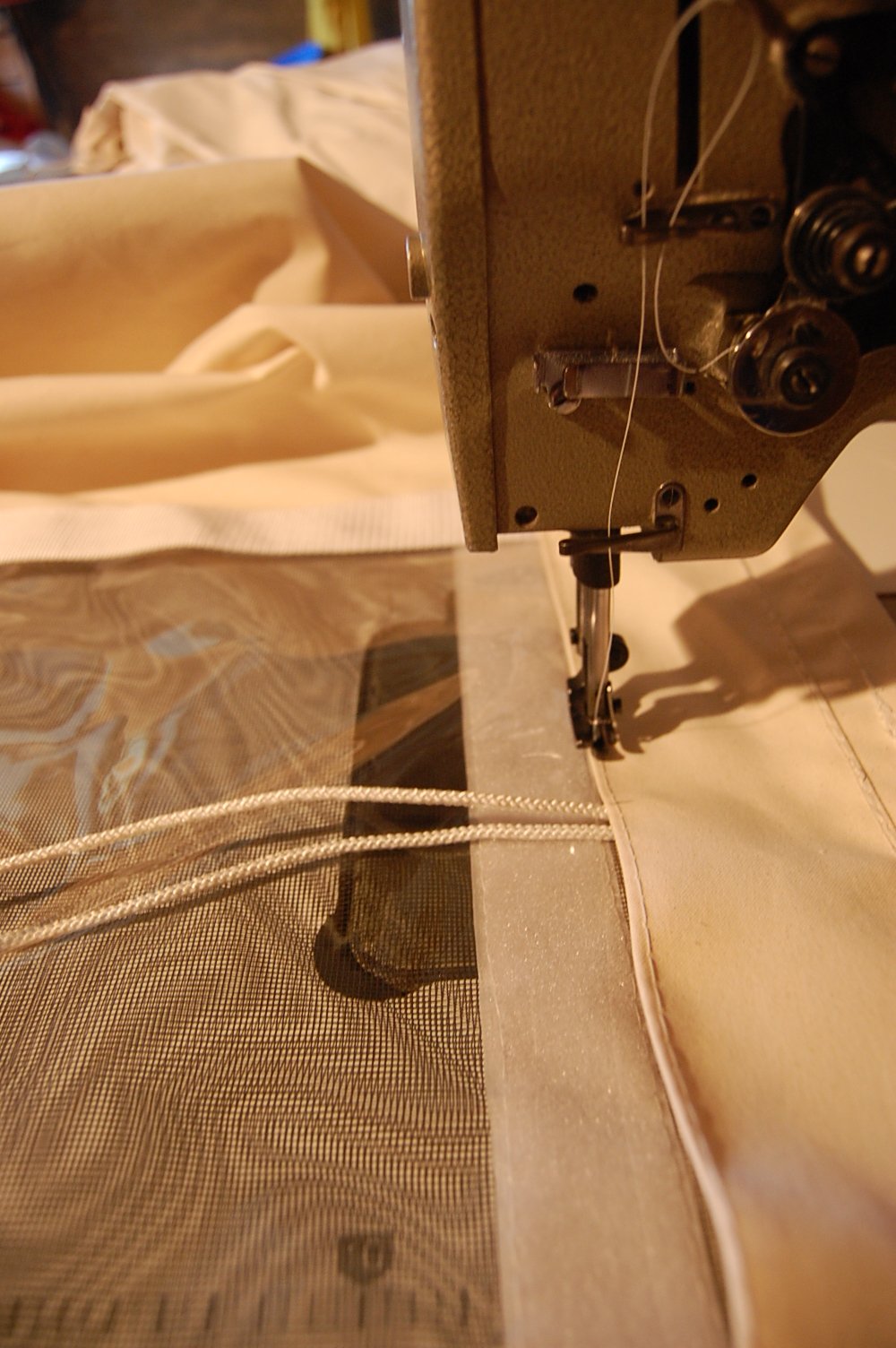
I love all my roles at LFY! I sew the yurt coverings, manage client and booking communications, oversee the website and social media, and design marketing materials. When I'm done with textile projects and the daily operations of running the business, I enjoy gardening, camping, and hiking with friends.

-
I love all my roles at LFY! I craft the yurt frames, manage tent installation and maintenance, and oversee stretch tent sales. When I'm not busy setting up tents, I enjoy sailing, cruising on my motorcycle, and jamming to reggae music.

How we got Started
We are two passionate entrepreneurs with a love for working with our hands.
Our journey began in the early 2000s whilst living at Coed Hills Rural Artspace in South Wales, a sustainable living and creative arts center. It was there that we learned to build yurts, tipis, straw bale buildings, and helped work on The Roundhouse Project, a traditional Celtic round house built with phragmites reed on the roof and earthen plaster on the walls. Coed Hills has since transformed into Coed Weddings, an alternative wedding venue.
The community, particularly the creative vision of Rawley Clay, ignited our passion for sustainable living - both ecologically and socially -ultimately inspiring us to create Little Foot Yurts.

Shortly after arriving in Nova Scotia, we began building a yurt to pursue our newfound passion, which attracted a wonderful community of friends and supporters. At that time, I (Selene) was working at the Sierra Club of Canada and taking pattern construction courses at the Nova Scotia College of Art & Design, while Alex was an apprentice carpenter.
We soon realized that we could combine our skills in textiles and green woodworking to create yurts—our first home in Wales!
Our new friends supported our yurt-building dream, and one neighbor even allowed us to attach a steam box to his garage to steam the yurt poles.

Our Mission & Craft
Fast forward a few decades, and our passion has become a small but thriving business. Since 2005, we’ve been enhancing outdoor celebrations across the Maritimes with our handcrafted yurts, and in 2018 we added stylish stretch tents.
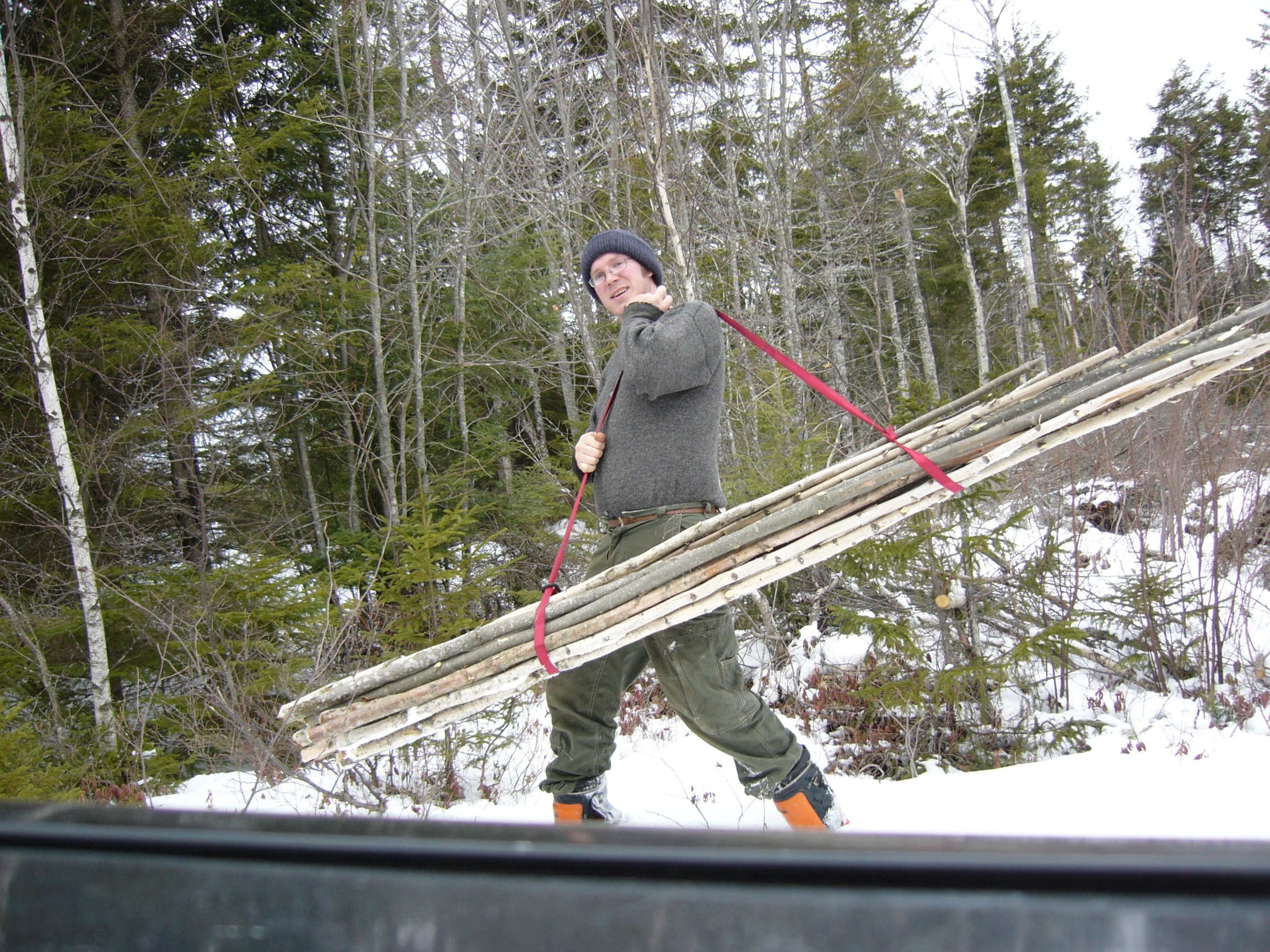
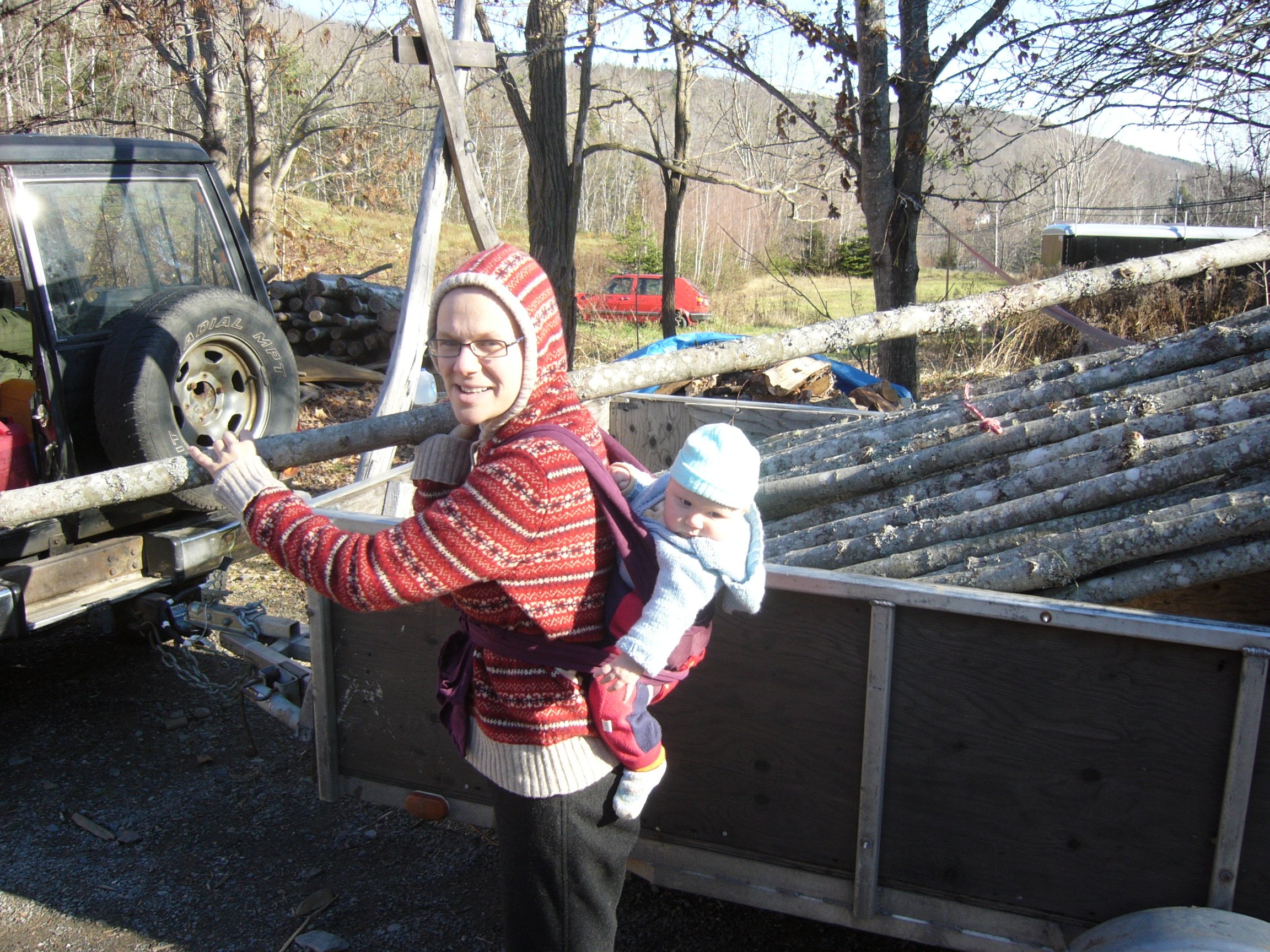
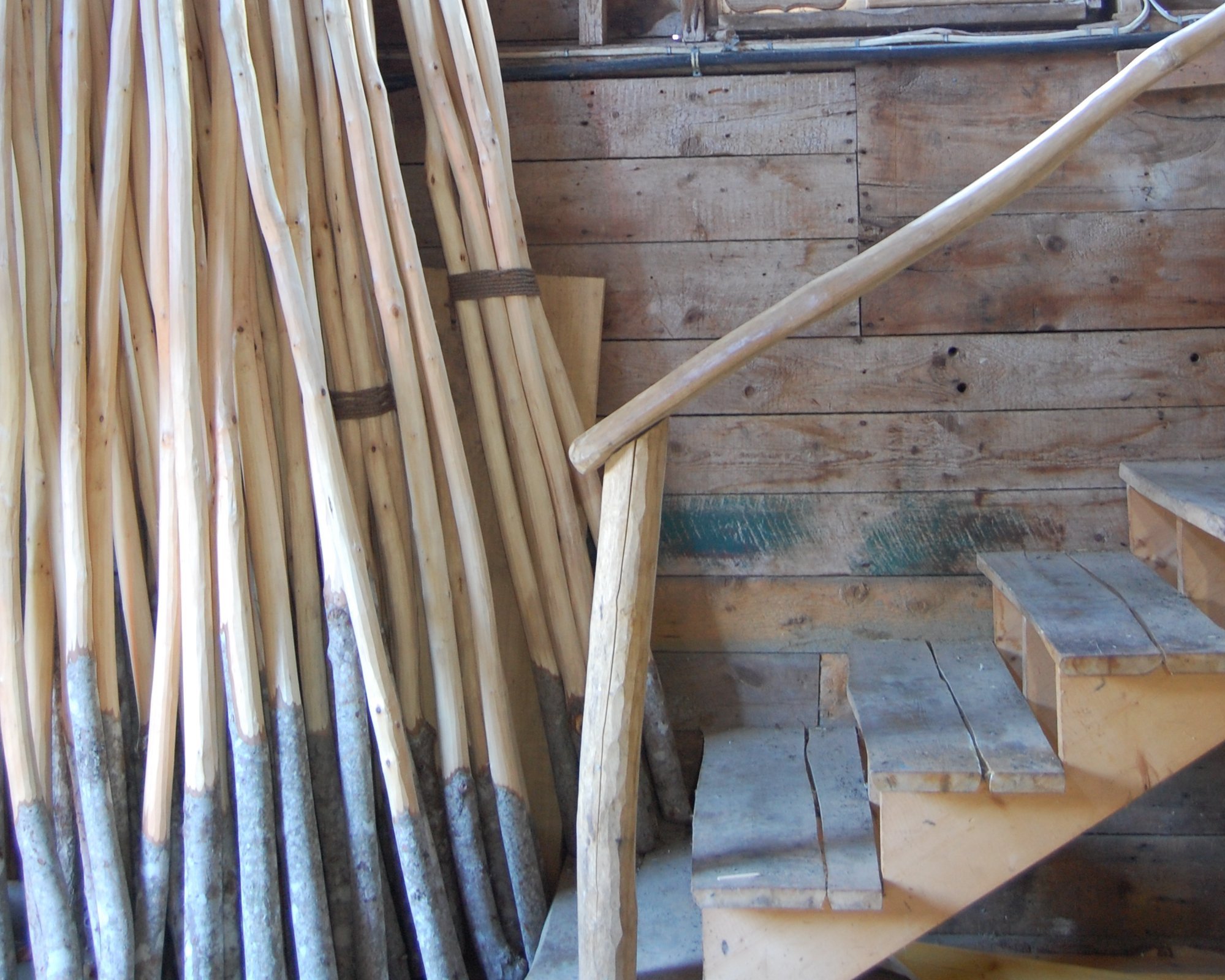
Every yurt we craft reflects years of dedication. Each pole is collected by hand, carved, and oiled every year, so every yurt stays beautiful and ready for our clients.
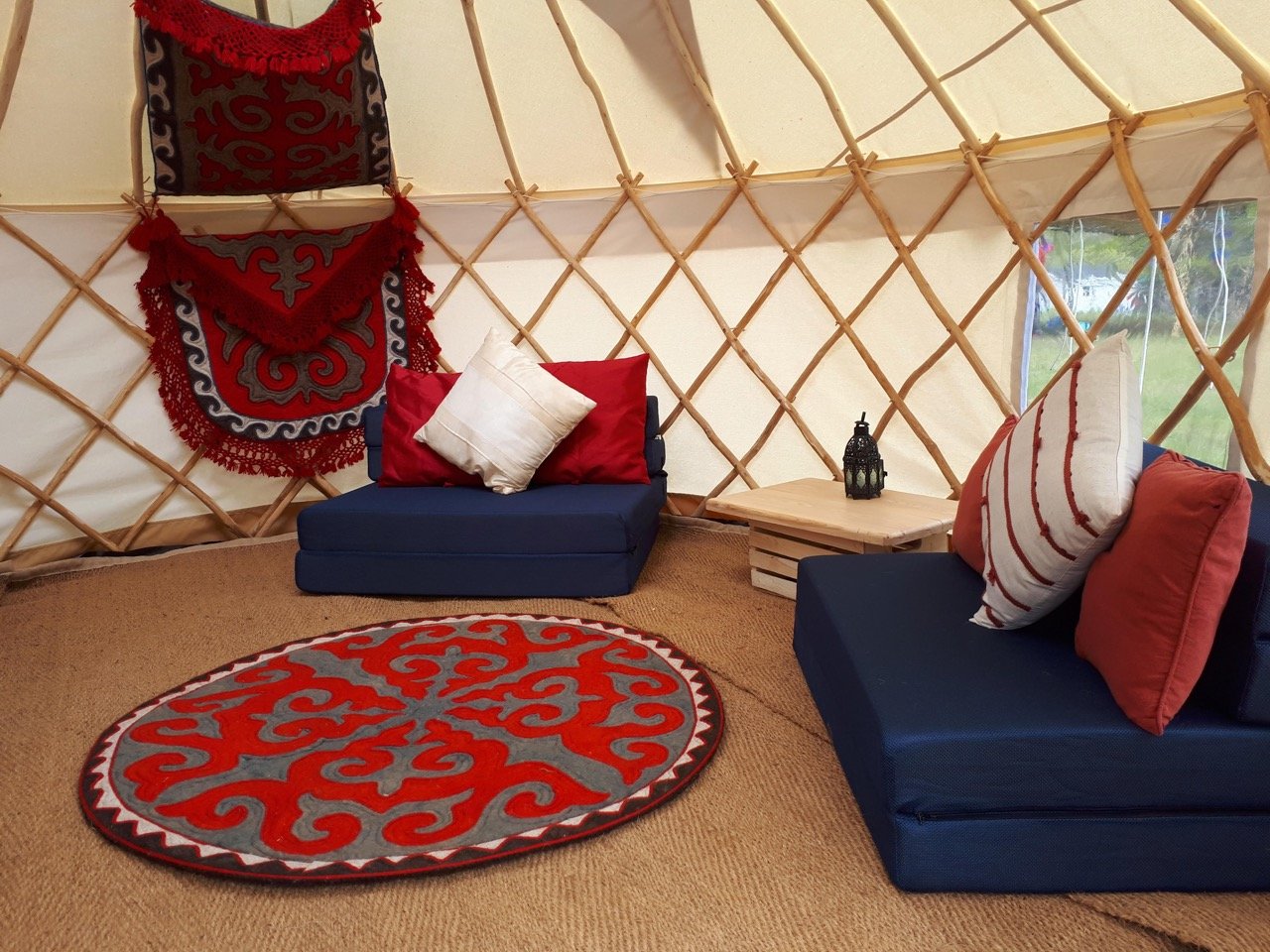
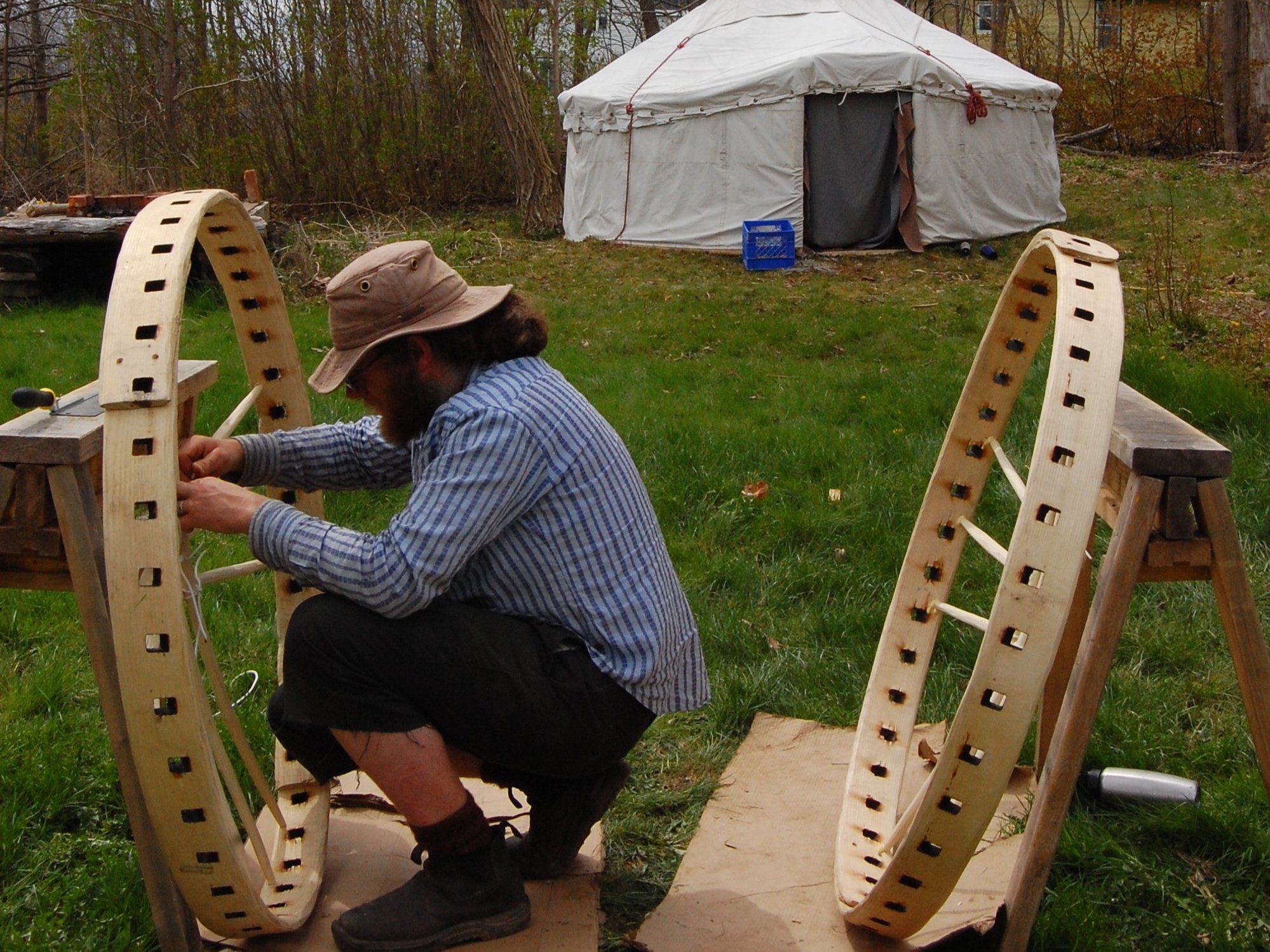
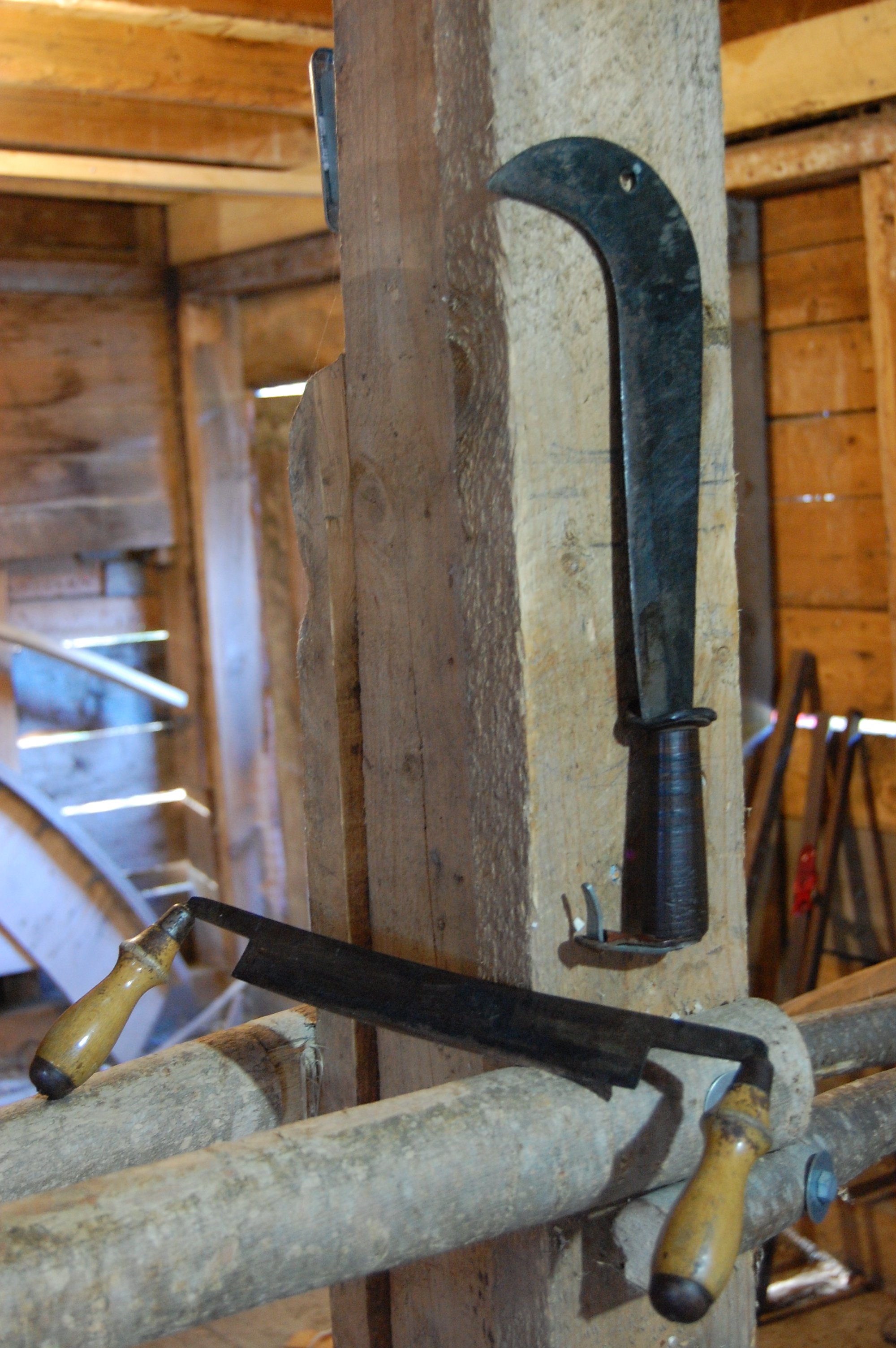
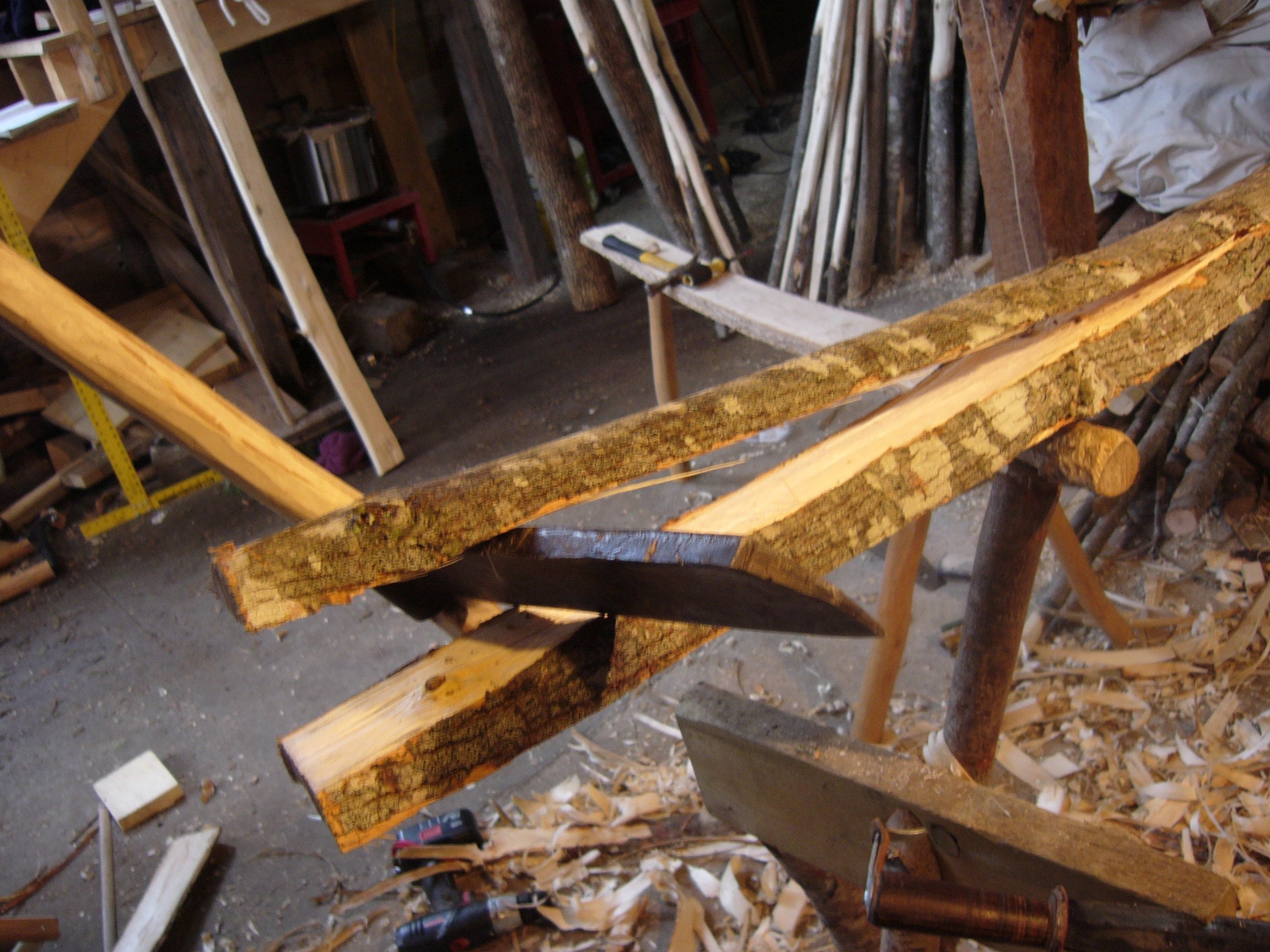
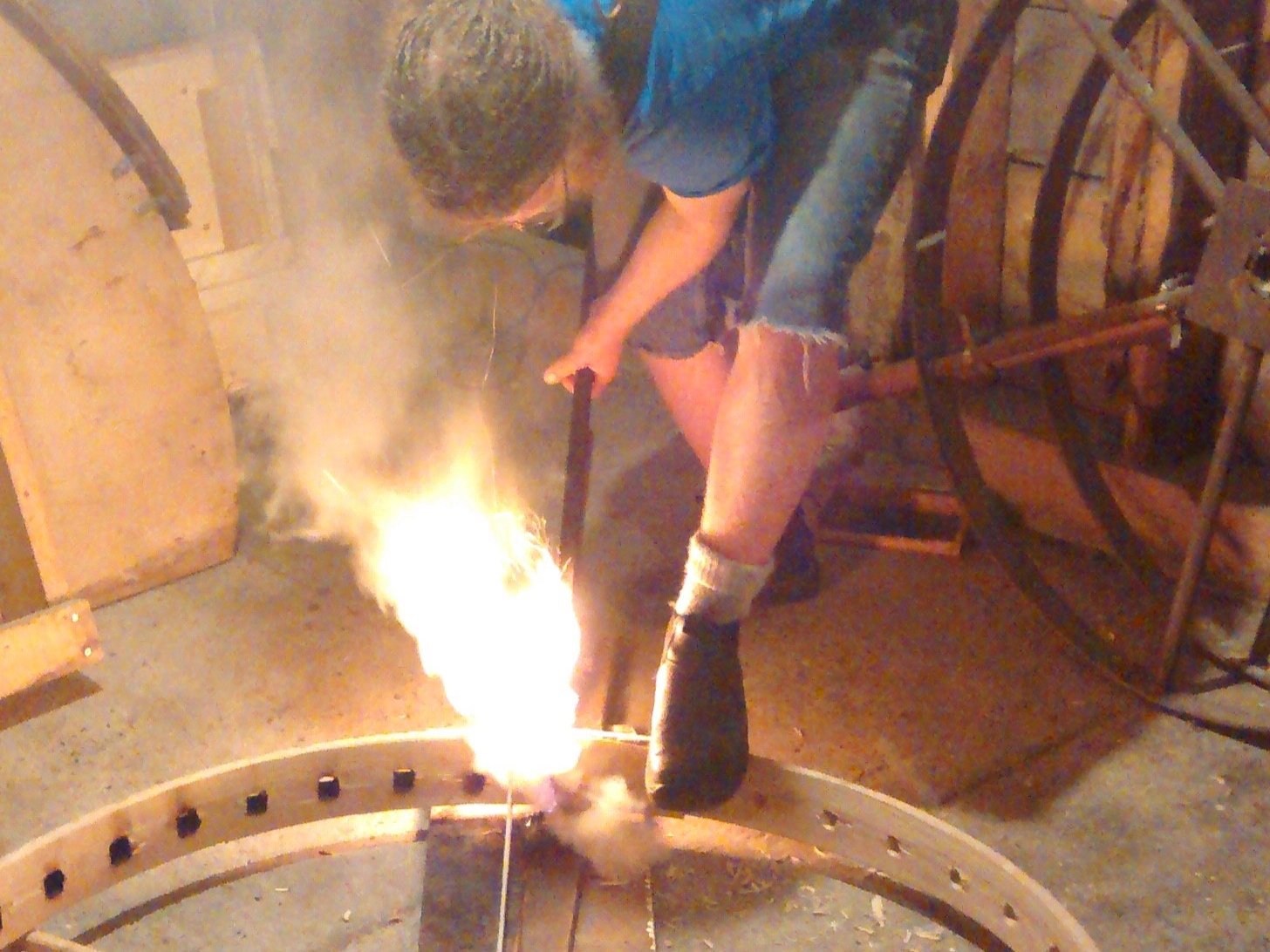
We love traditional building techniques: shaping wood with a billhook and drawknife, steam-bending, and splitting our ash yurt wheels with a froe. We use natural materials too, including cotton canvas for our yurts (we’re the only business in North America to do so) and coconut husk fibre for our flooring. We also practise coppicing, a traditional woodland method that cuts trees to ground level so new shoots grow back for sustainable wood.
At the heart of our rentals is a personal connection. We get to know each wedding, event or business through emails and calls, then meet in person at setup to bring your vision to life.
Together, our yurts and stretch tents create outdoor experiences that celebrate community and connection.
Looking to buy a stretch tent? Our sister company, Atlantic Stretch Tents, sells them across Canada.


Design & Production
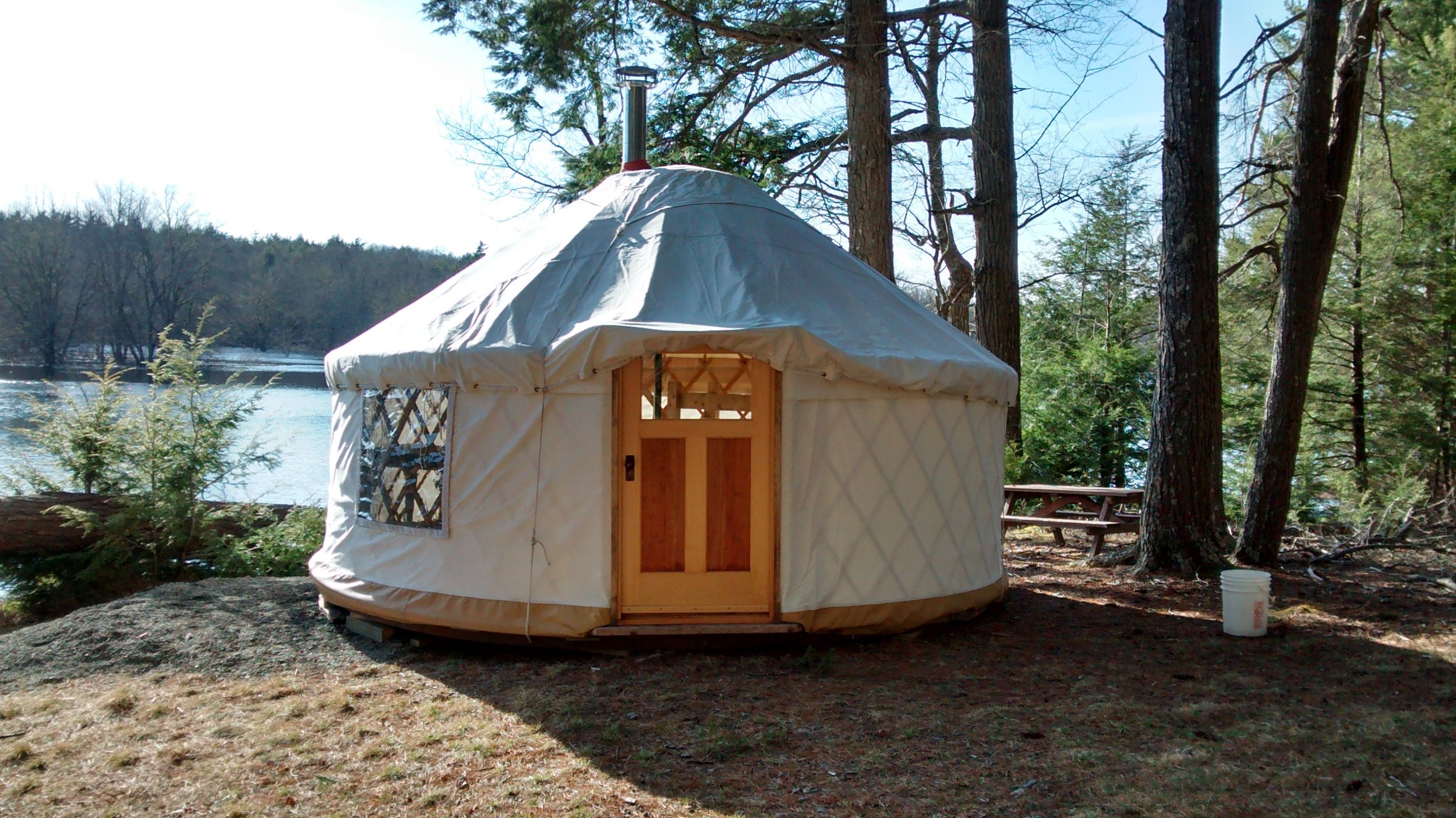
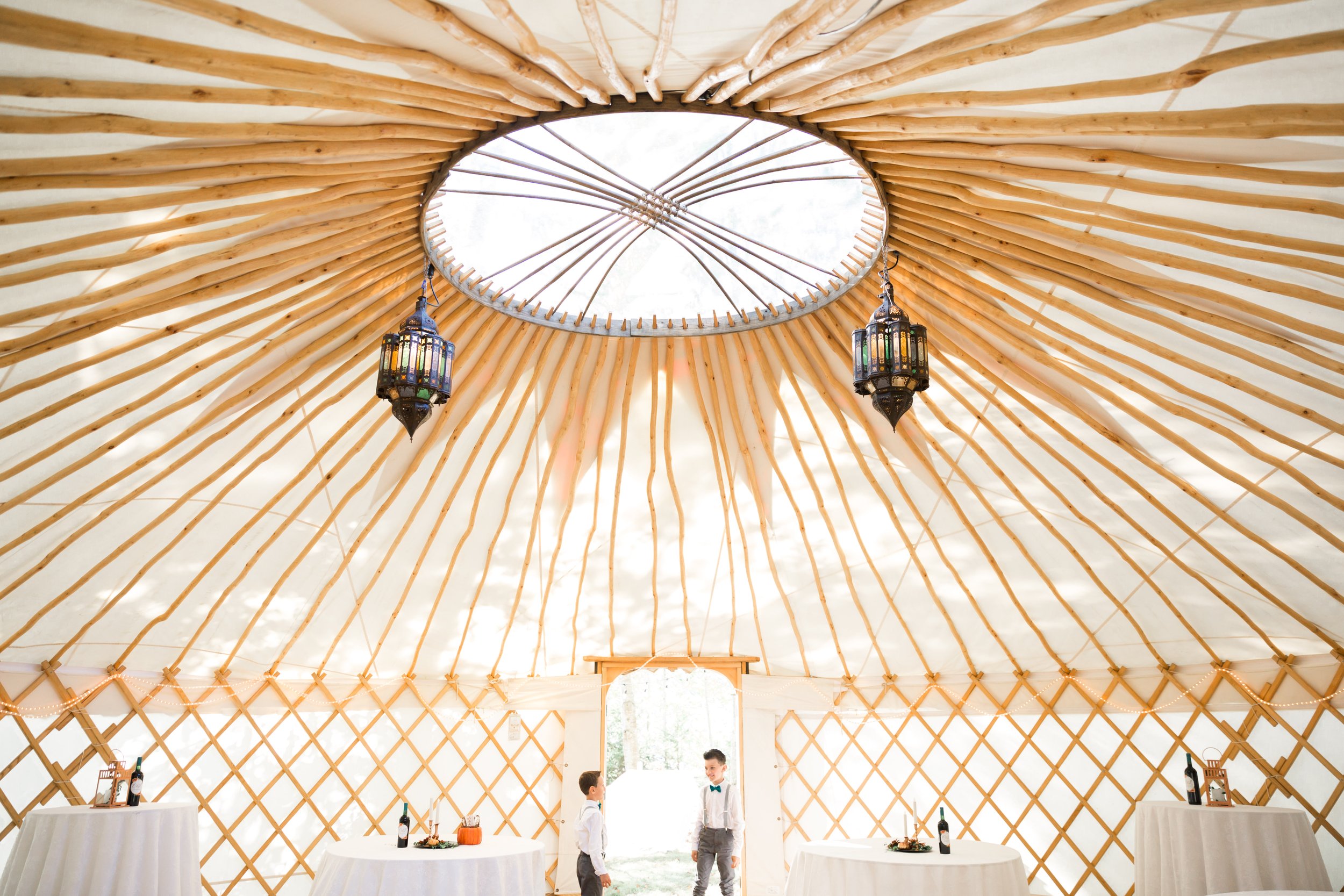
We are builders of Nova Scotia coppice wood yurts, inspired by the traditional Kyrgyz and Mongolian style yurts. We build our yurts using traditional techniques, making each one a unique work of art.
As non-indigenous individuals, we approach crafting yurts and working with other structures such as tipis and stretch tents with profound respect for the cultures that have nurtured these forms for generations. Our love for these dwellings stems from their practical brilliance and the sense of spiritual connection they evoke when we're inside. Their surprising strength, durability, and the natural and sustainable way they are created is a testament to their ingenuity.
-
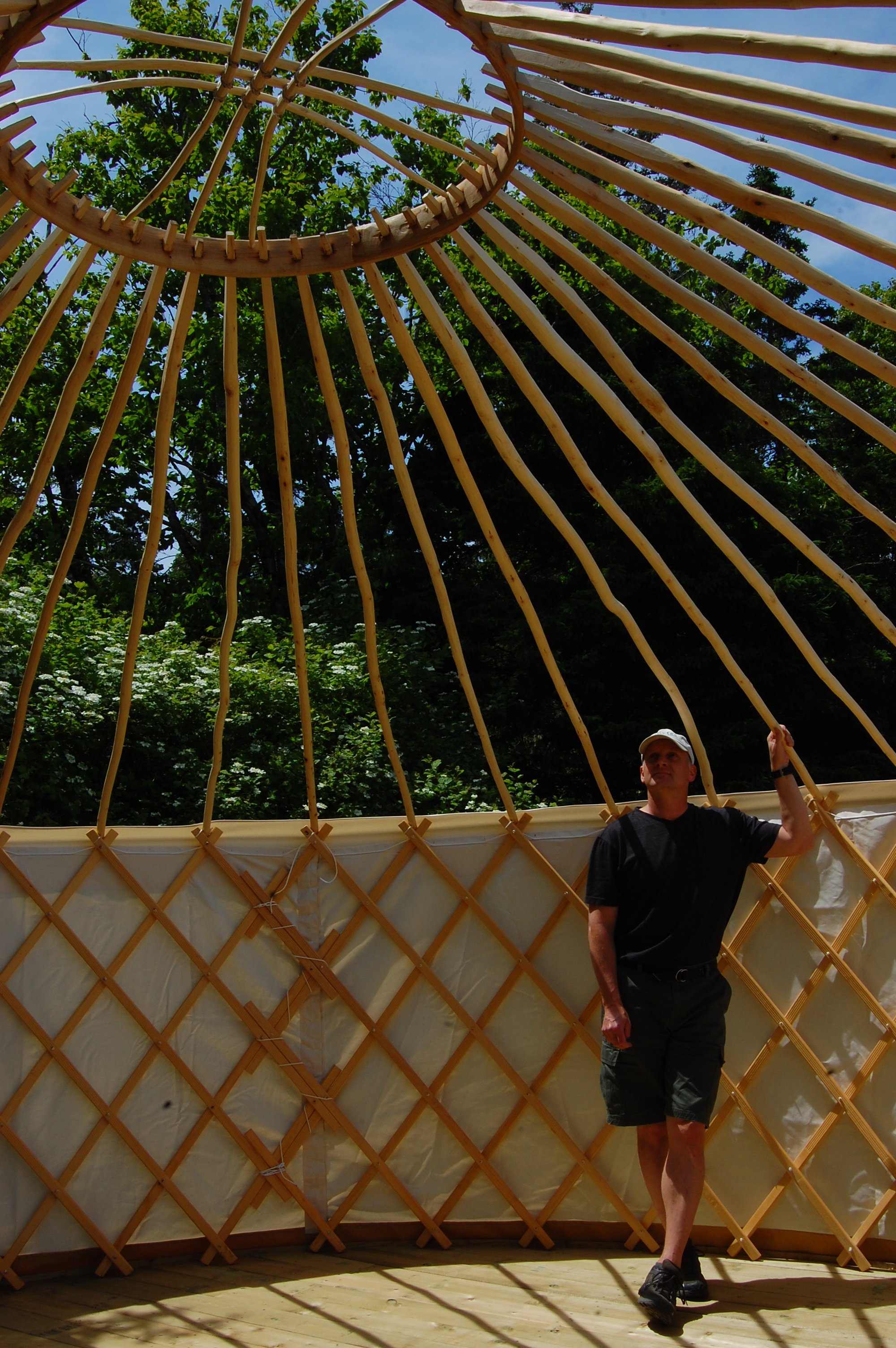
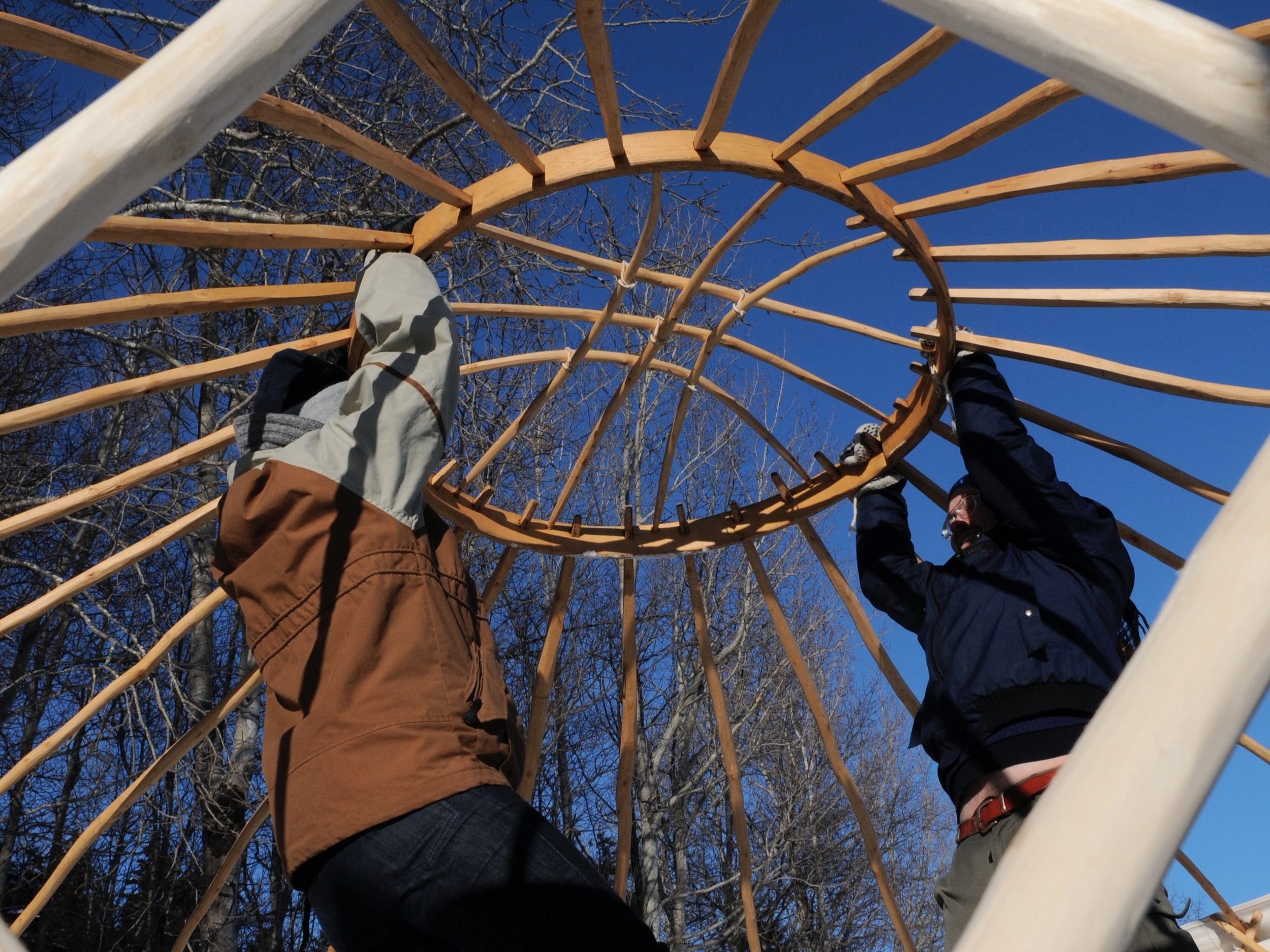
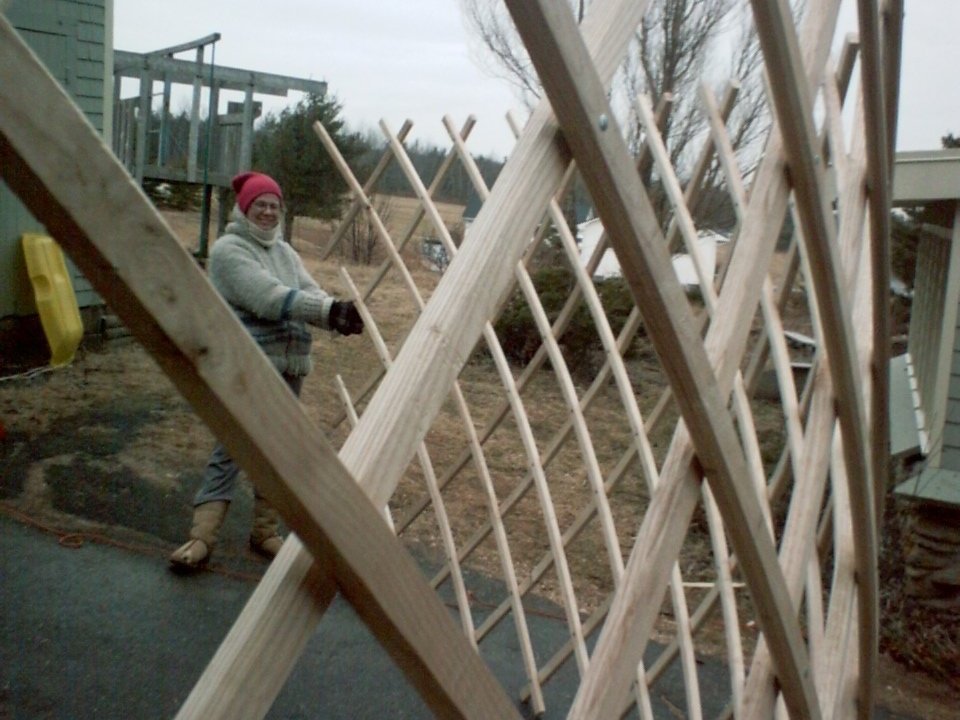
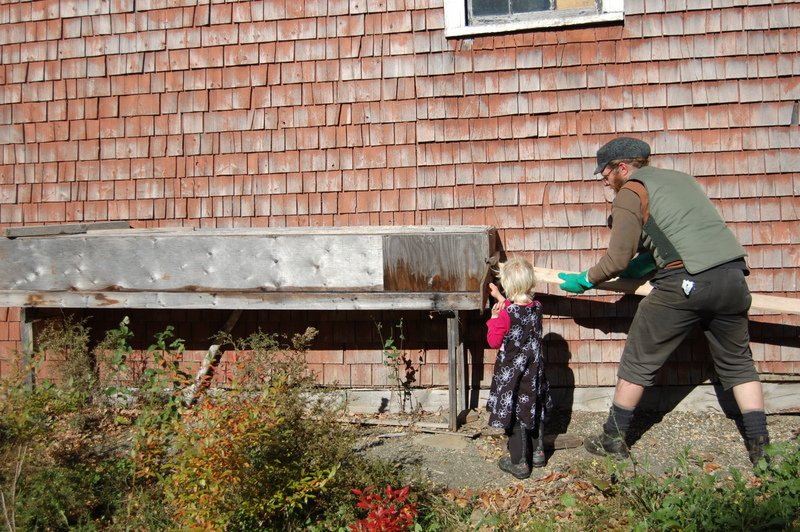
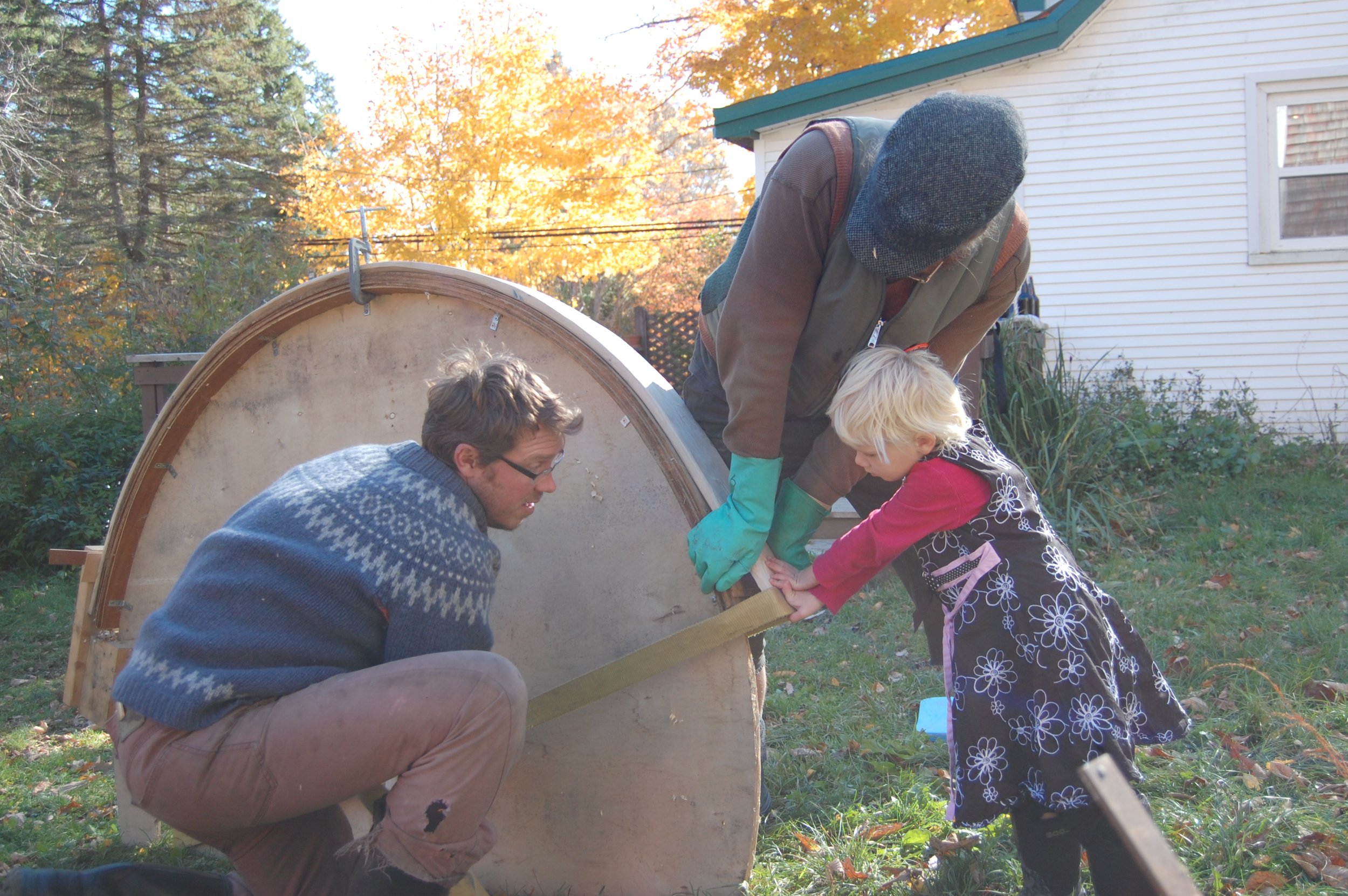
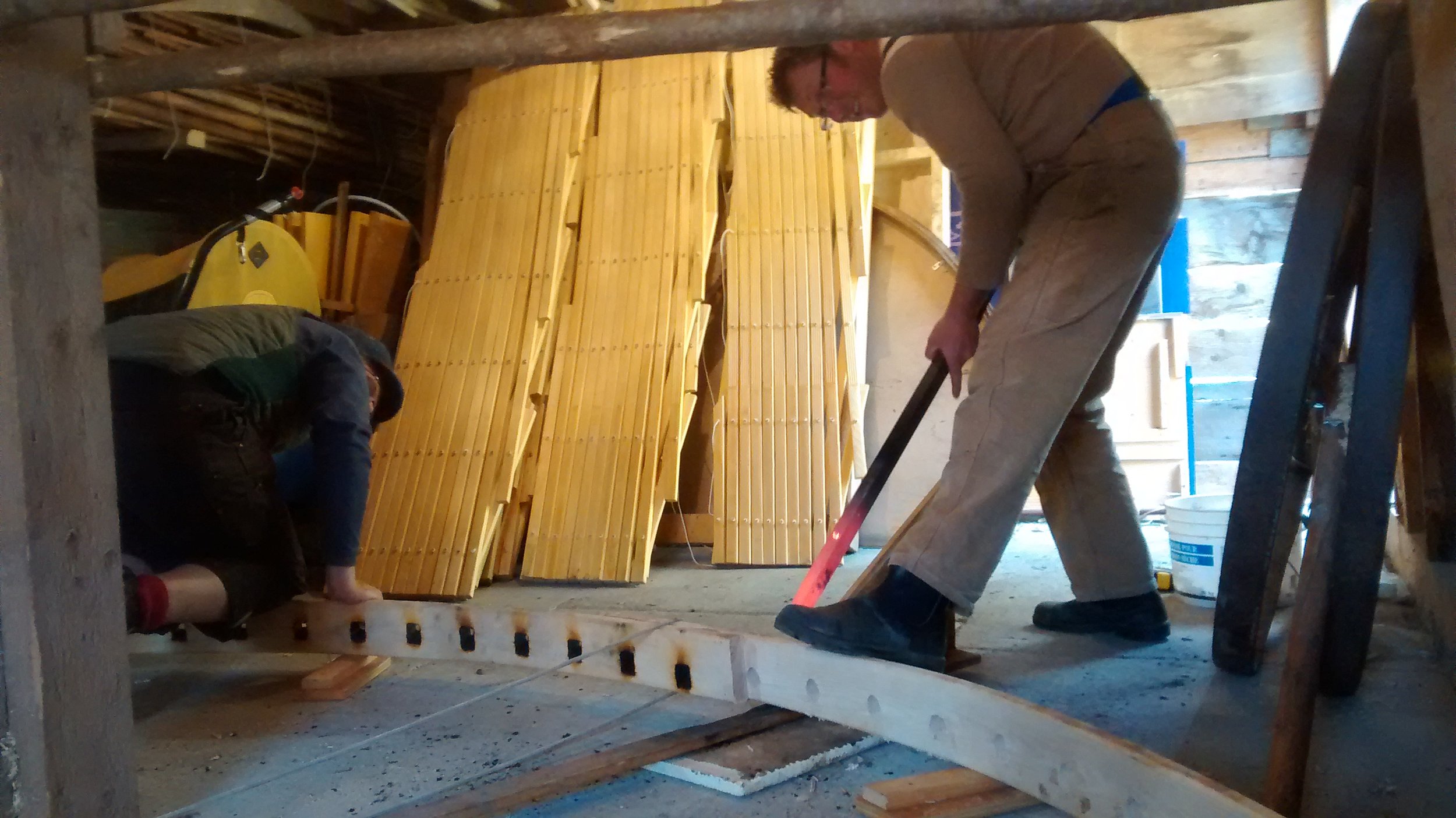
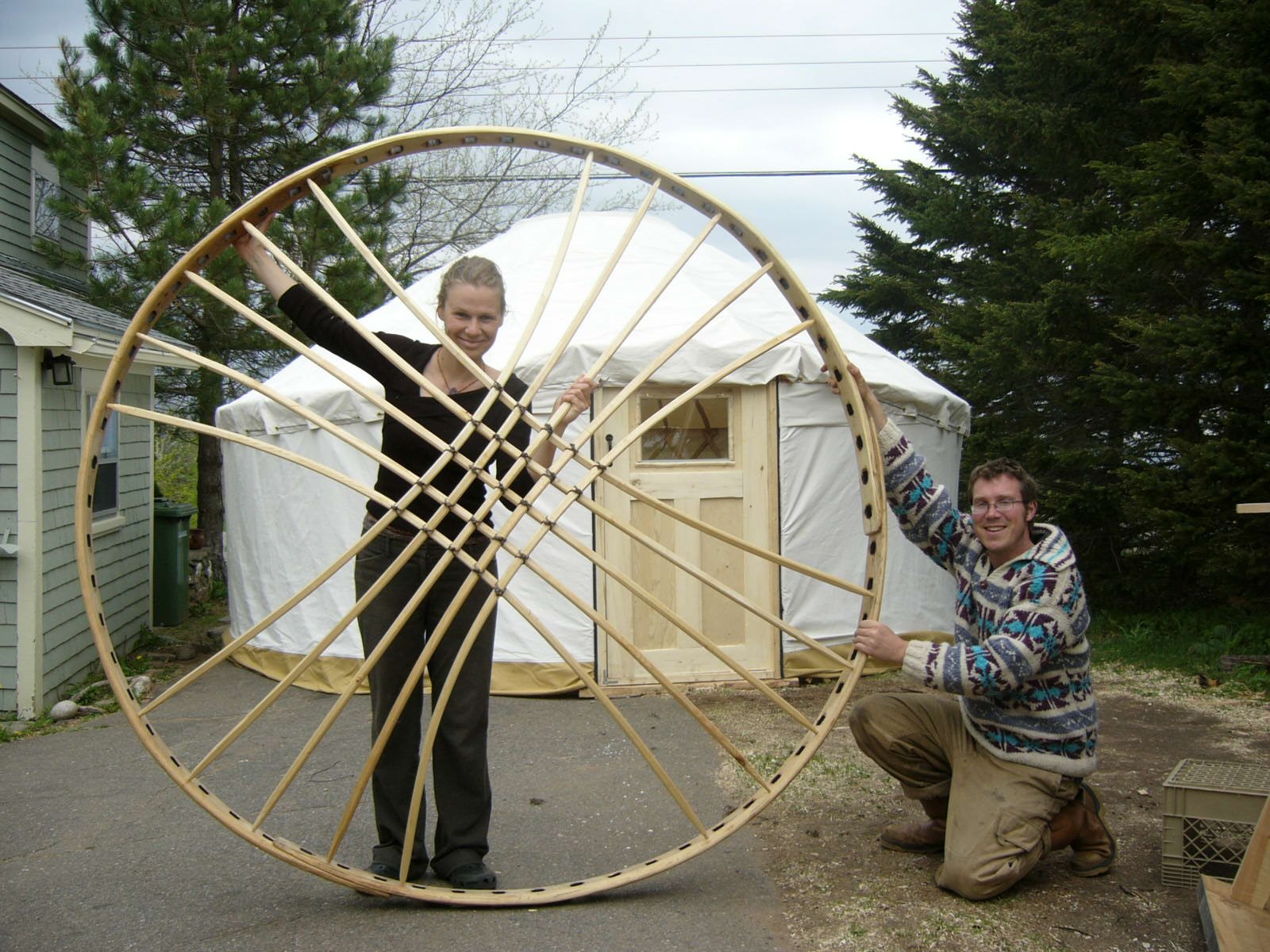
Hand splitting, steam bending and using round wood produces a strong and unique frame.
Ancient building techniques such as hand splitting with a froe, steam bending green wood and using tools such as a billhook produce a strong and unique yurt frame.
-
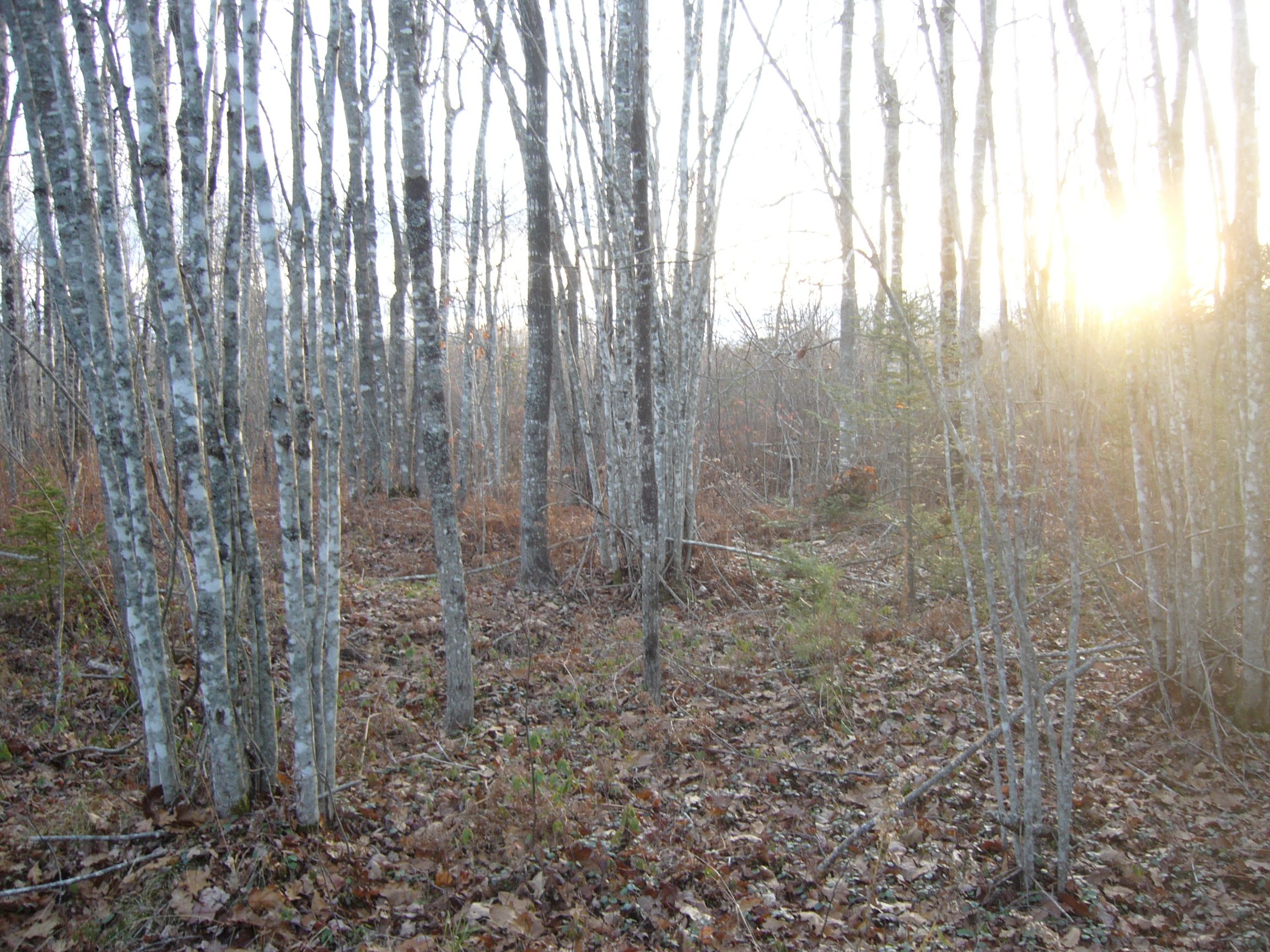
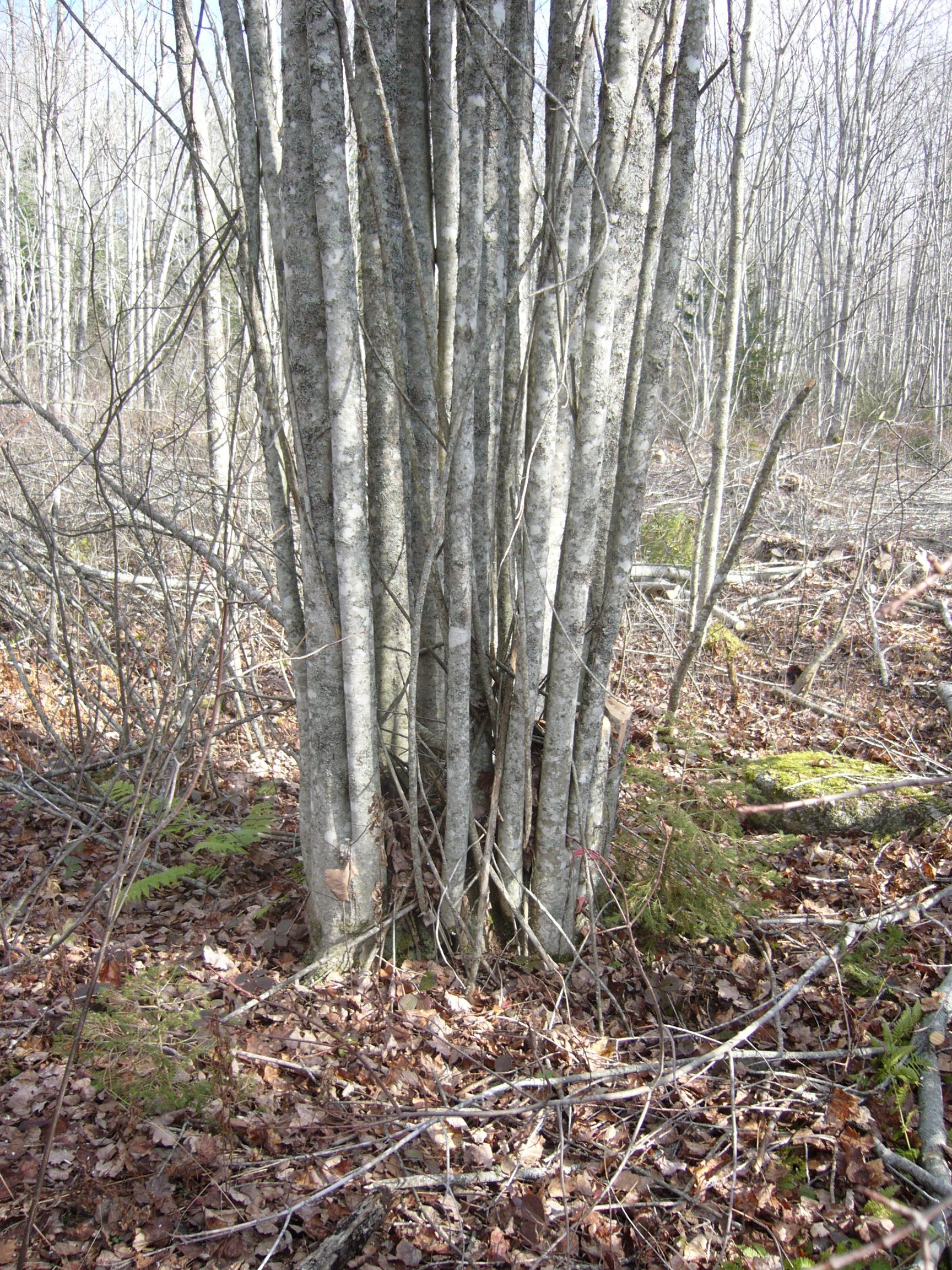
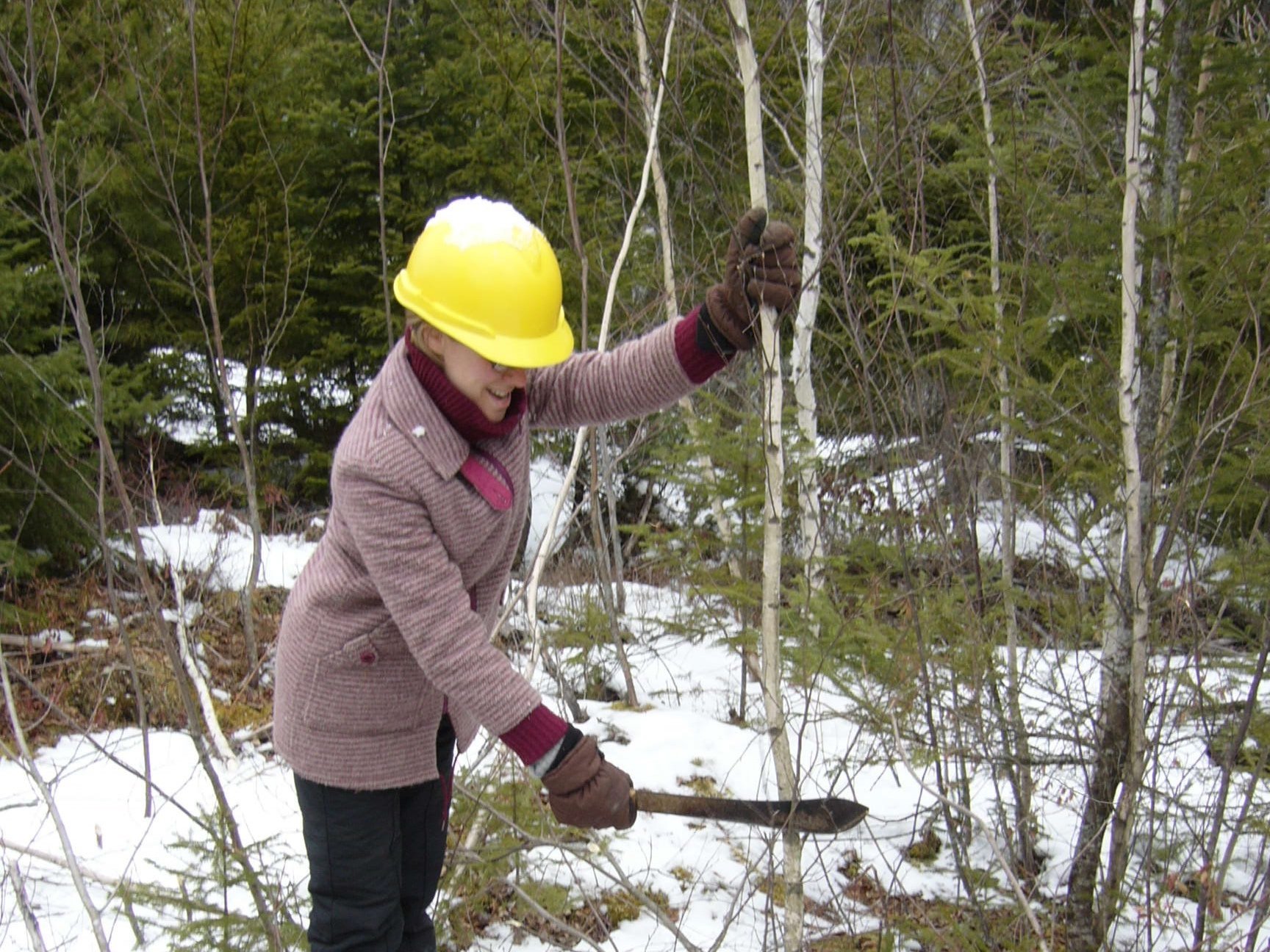
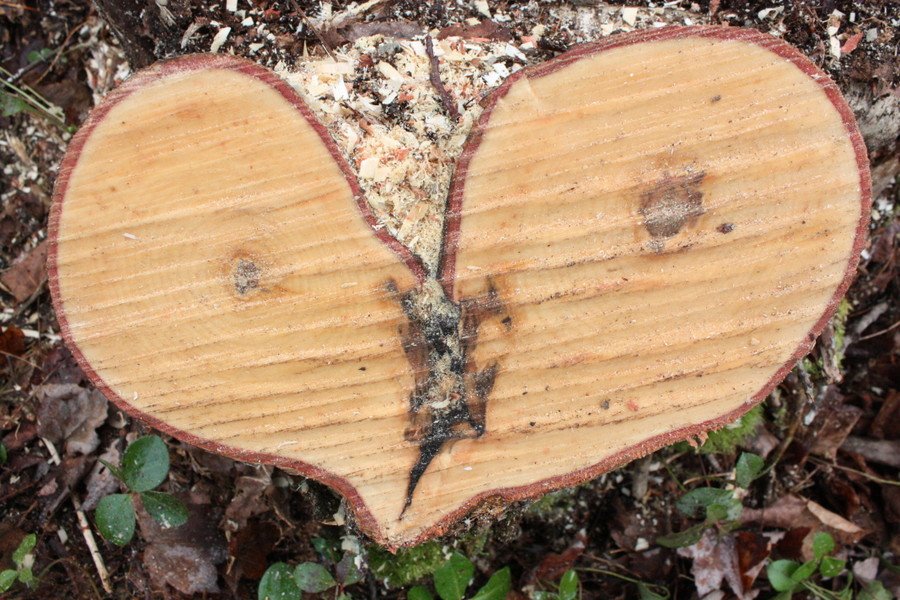
Coppicing, a traditional woodland management method, involves cutting trees to ground level, encouraging new shoots for future harvests and promoting sustainable wood production.
This age-old practice in Europe yields various wood products like firewood, fencing, and furniture.
Beyond the economic benefits, coppice development helps restore woodland health, especially after severe logging. This low-impact harvesting method enhances soil stability and ground-level habitats, contributing to increased biodiversity.
-
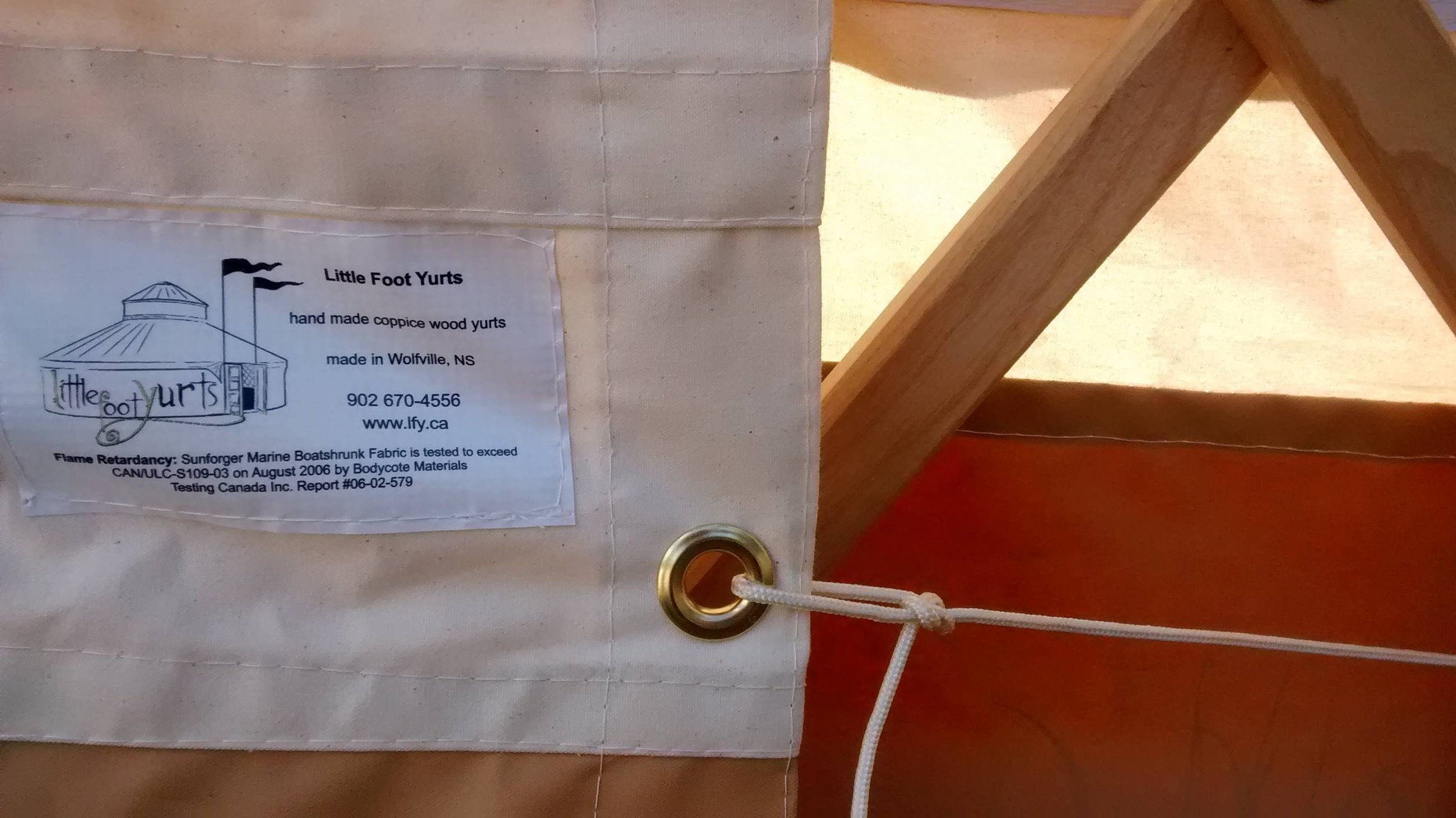
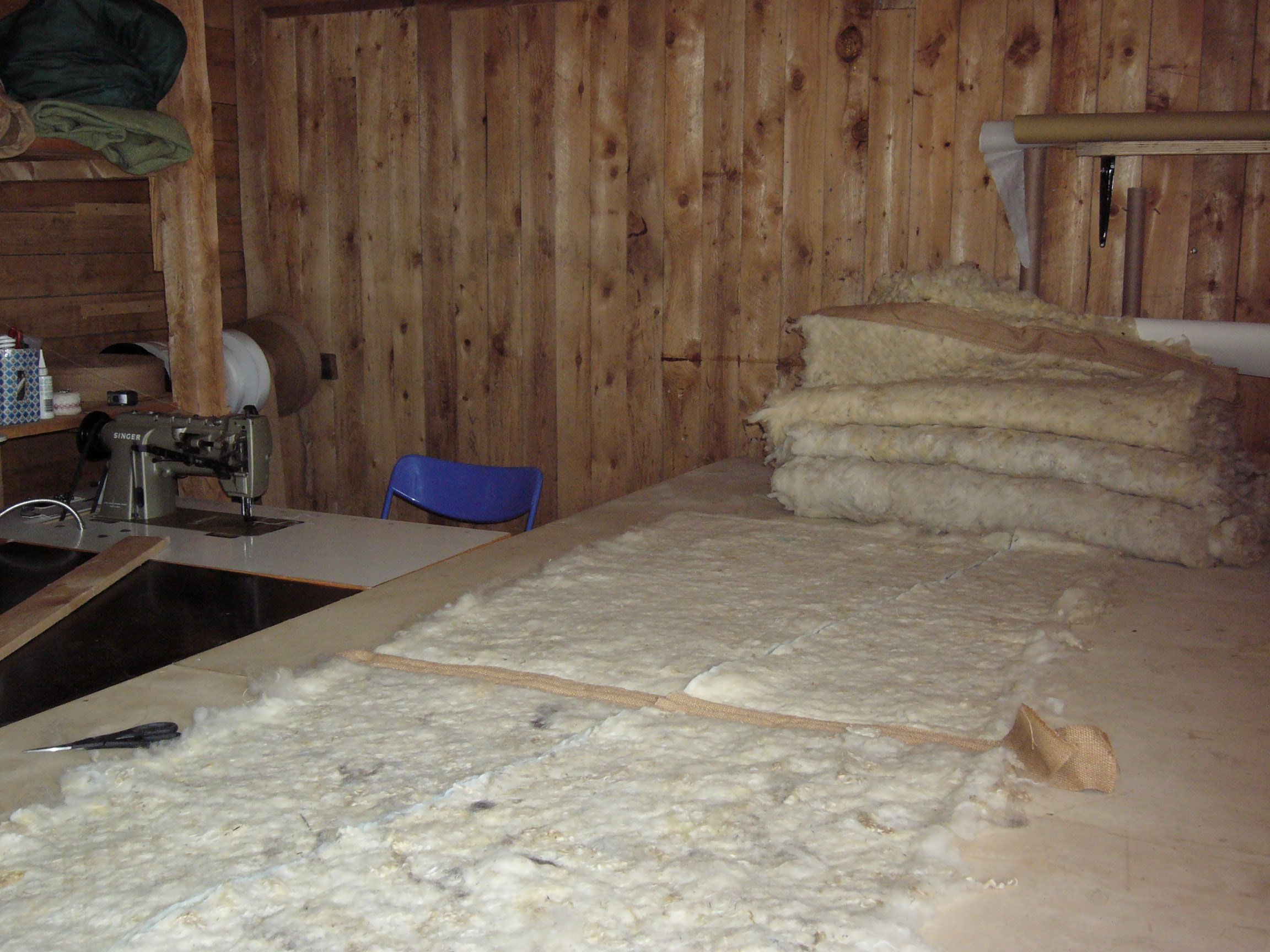
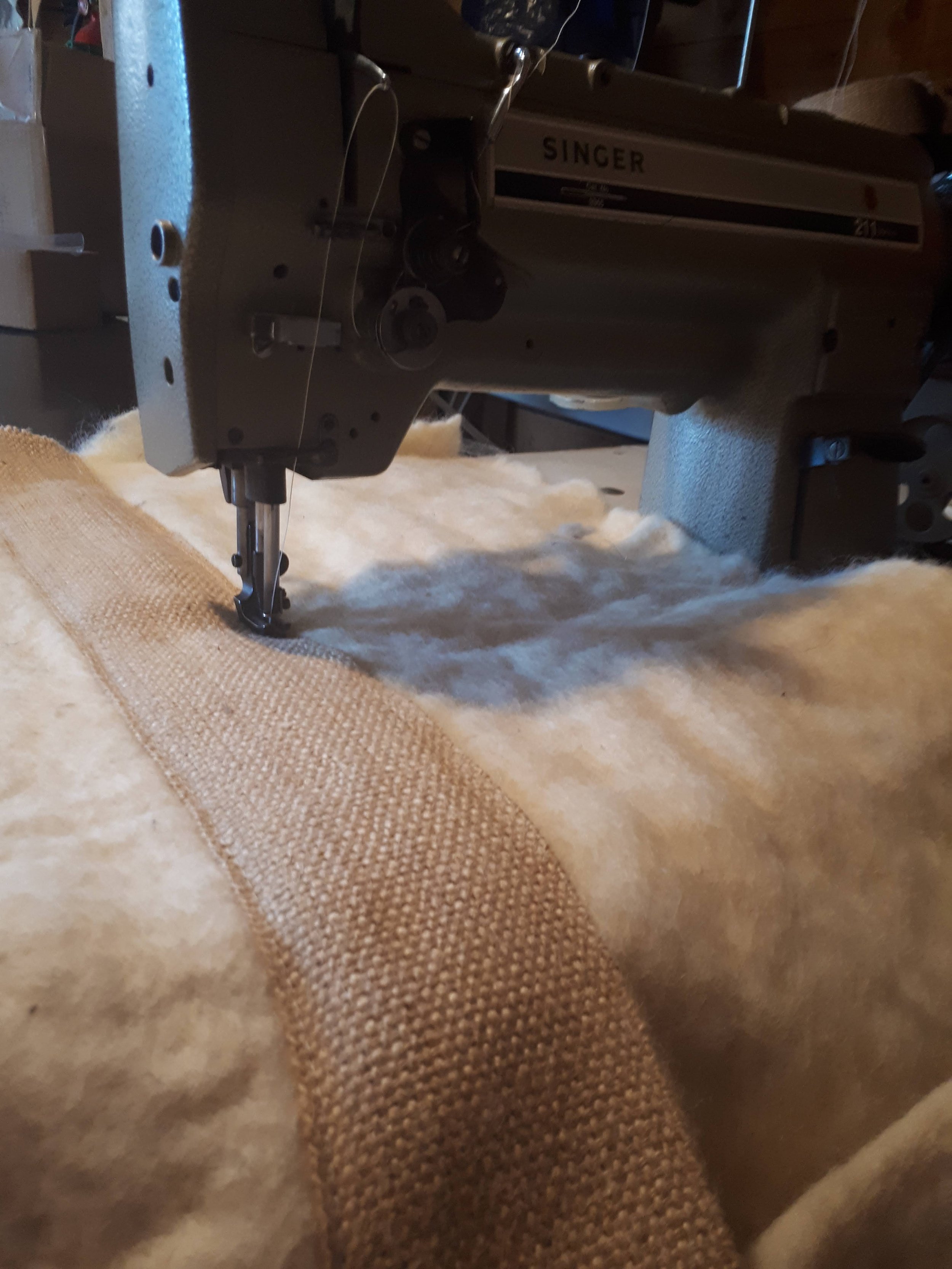
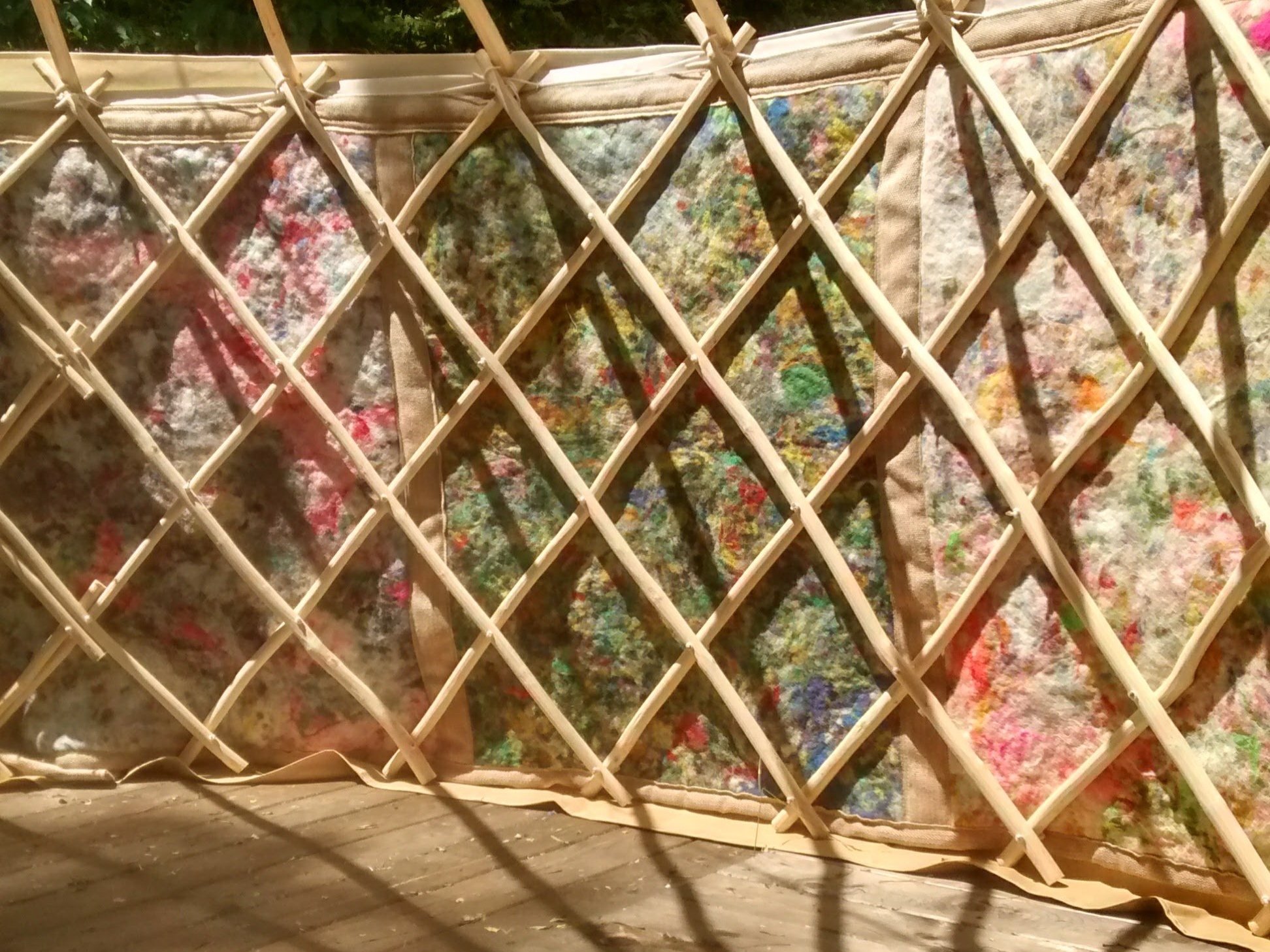
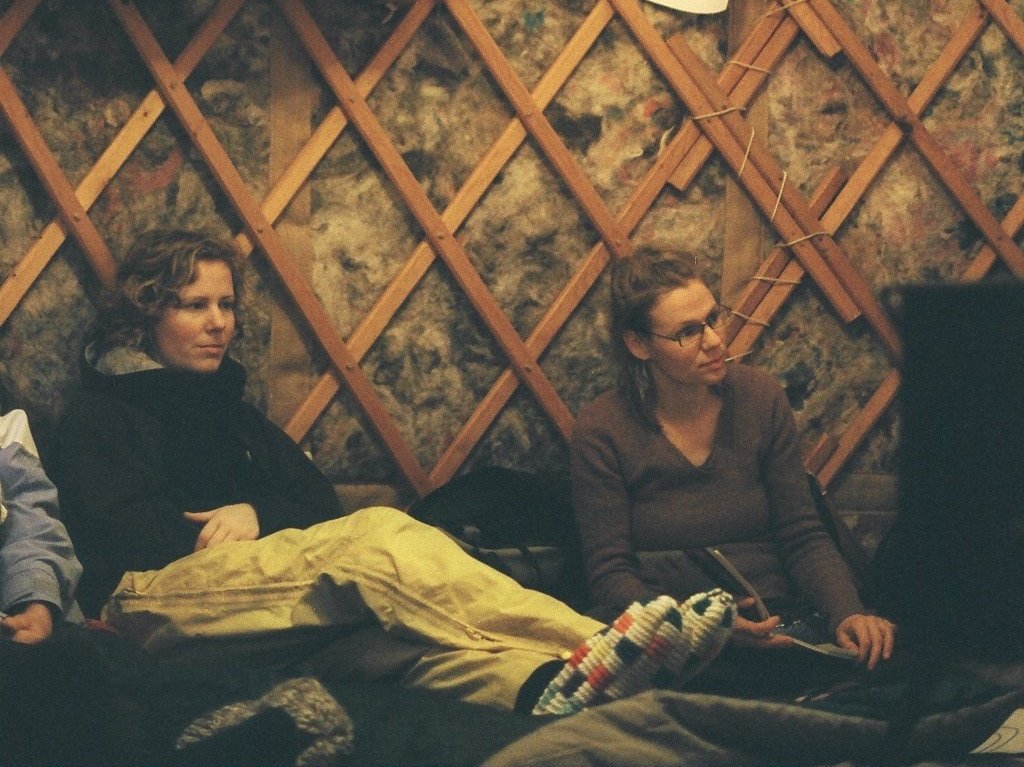
We are proud to use breathable natural membranes; cotton canvas and felt insulation. The benefits include significantly less condensation, no off gassing, more aesthetically pleasing, lighter, and easier to repair. Multiple layers of semi-permeable membranes ensures 100% weather protection.
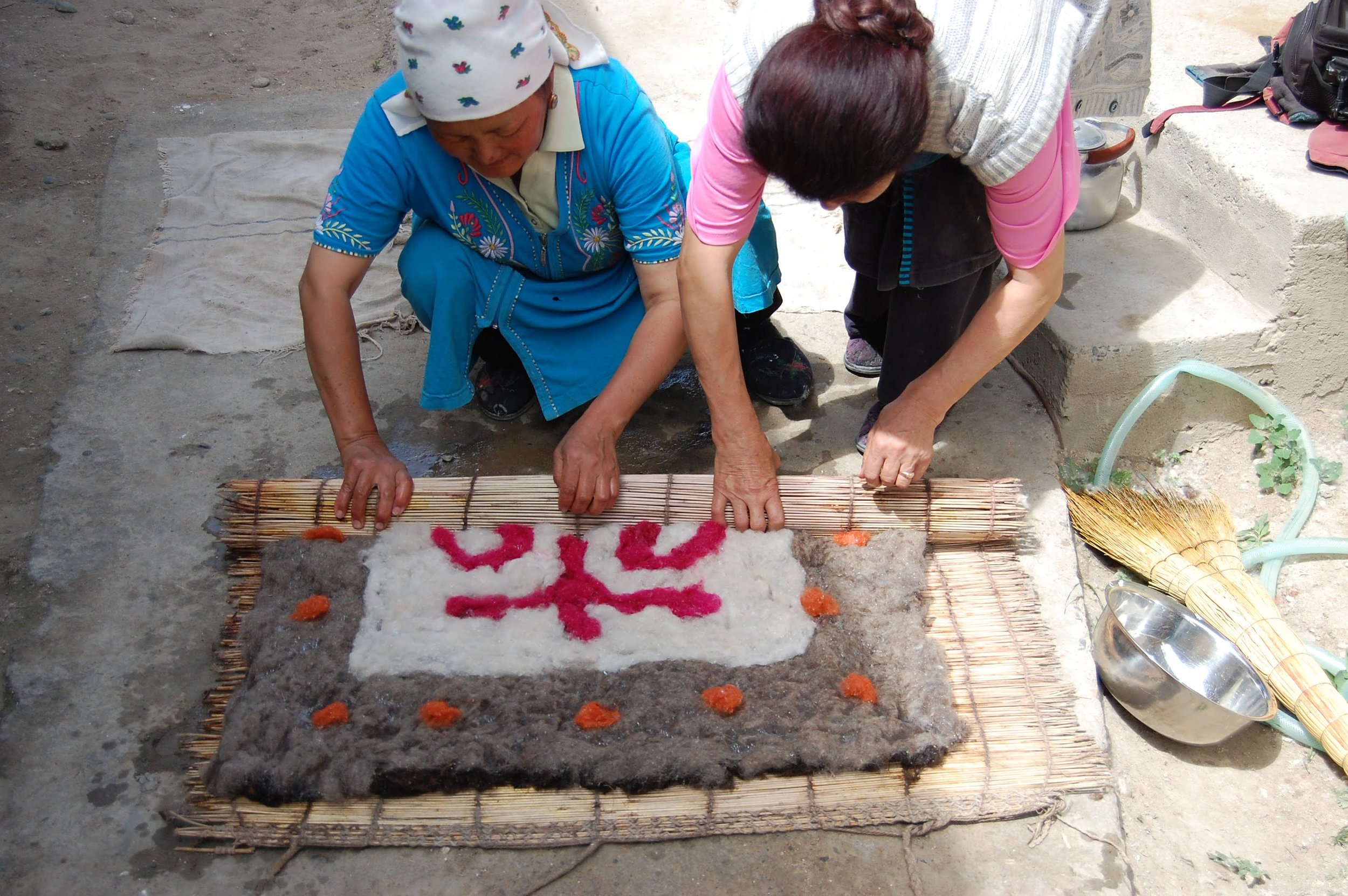
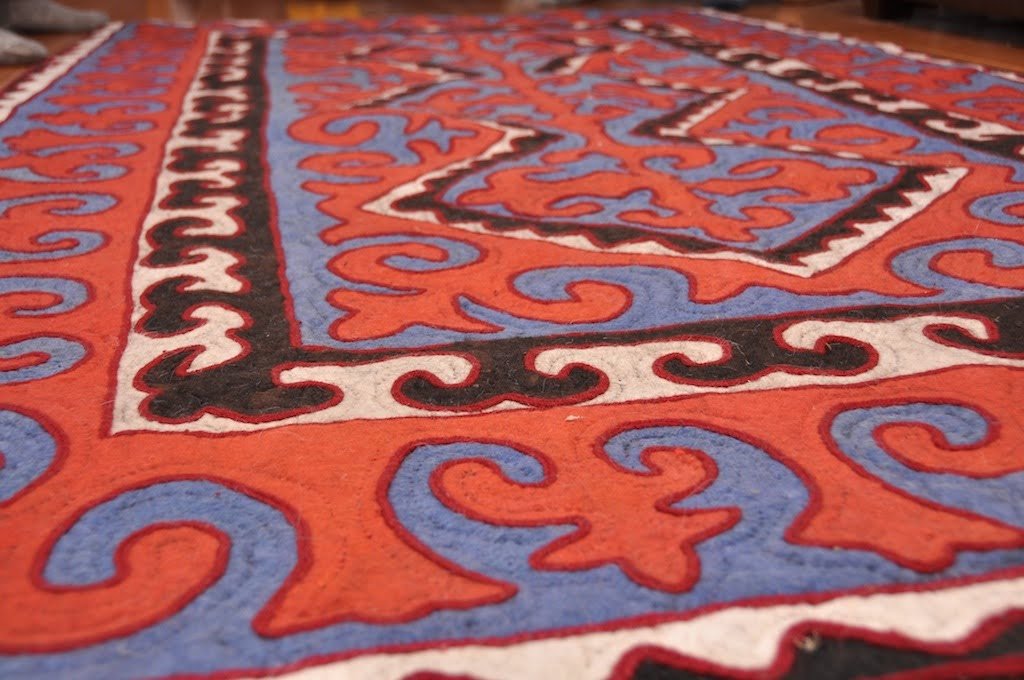
Felt panels are the traditional yurt covering of Central Asia. Extremely durable and hard wearing they provide a natural, breathable insulation. The felt panels are enclosed by the cotton canvas to protect it from the weather.
-
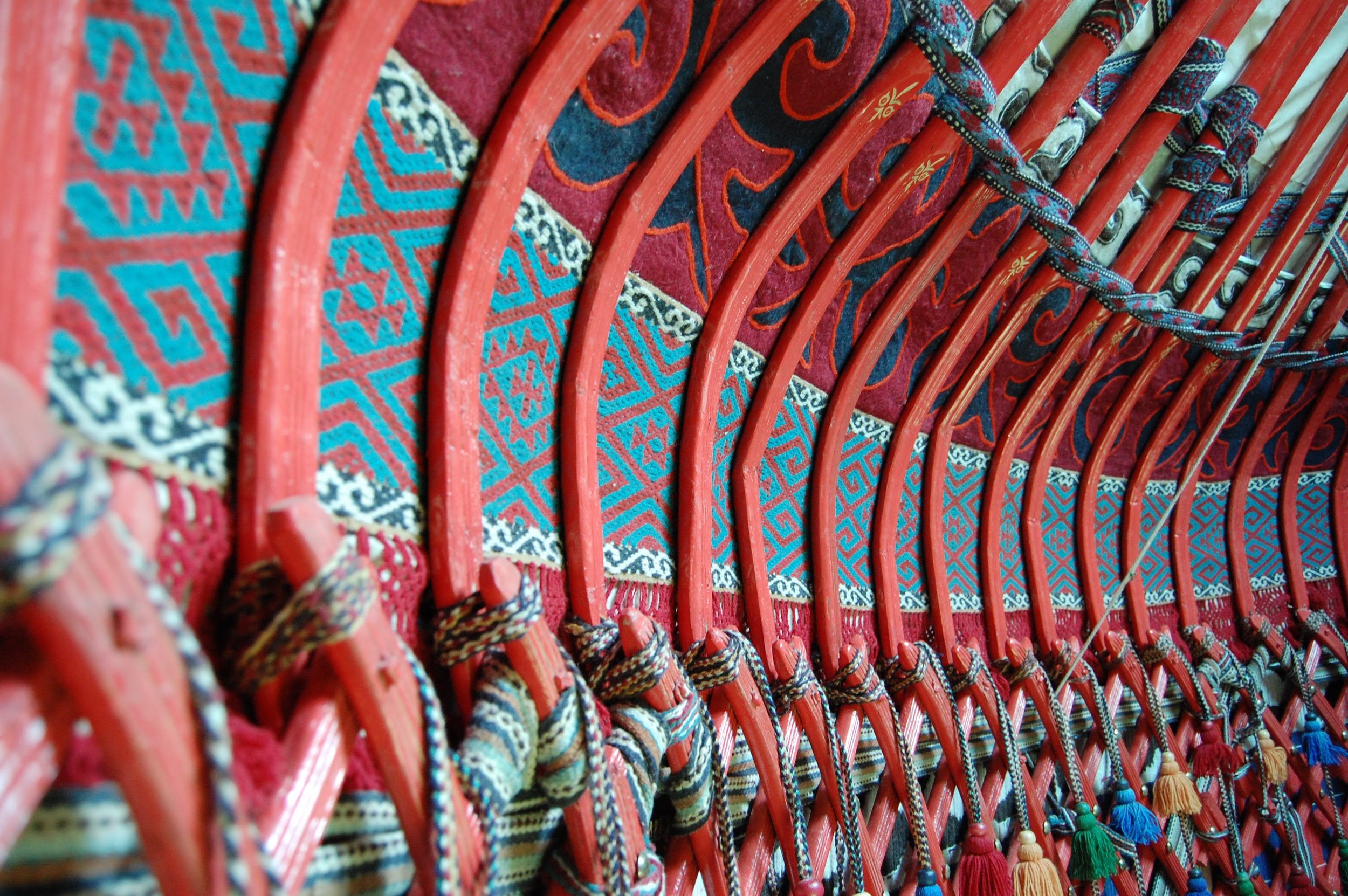
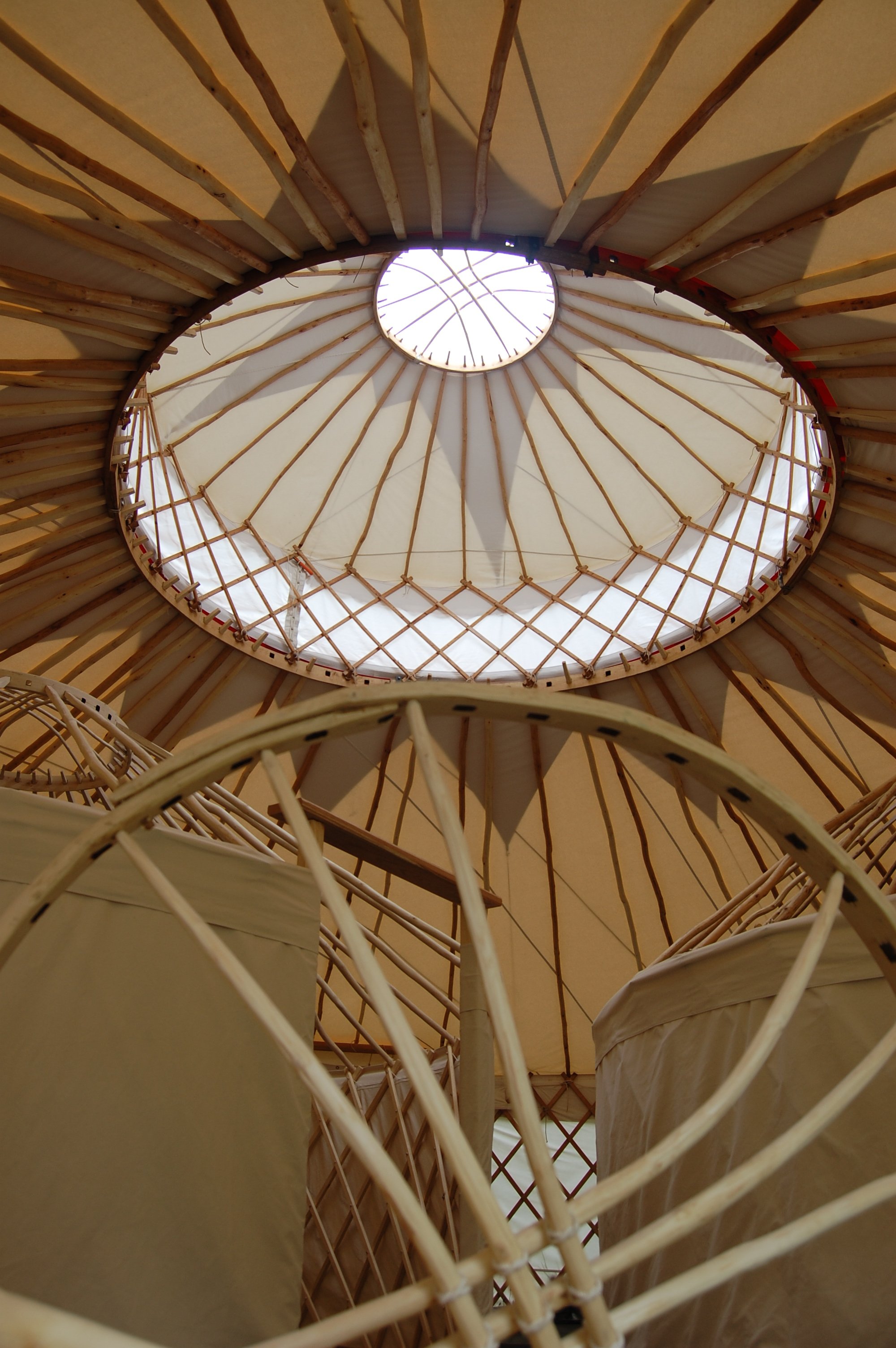
Our yurts use the traditional central Asian design, which gives you one third more roof poles than modern style yurt companies.
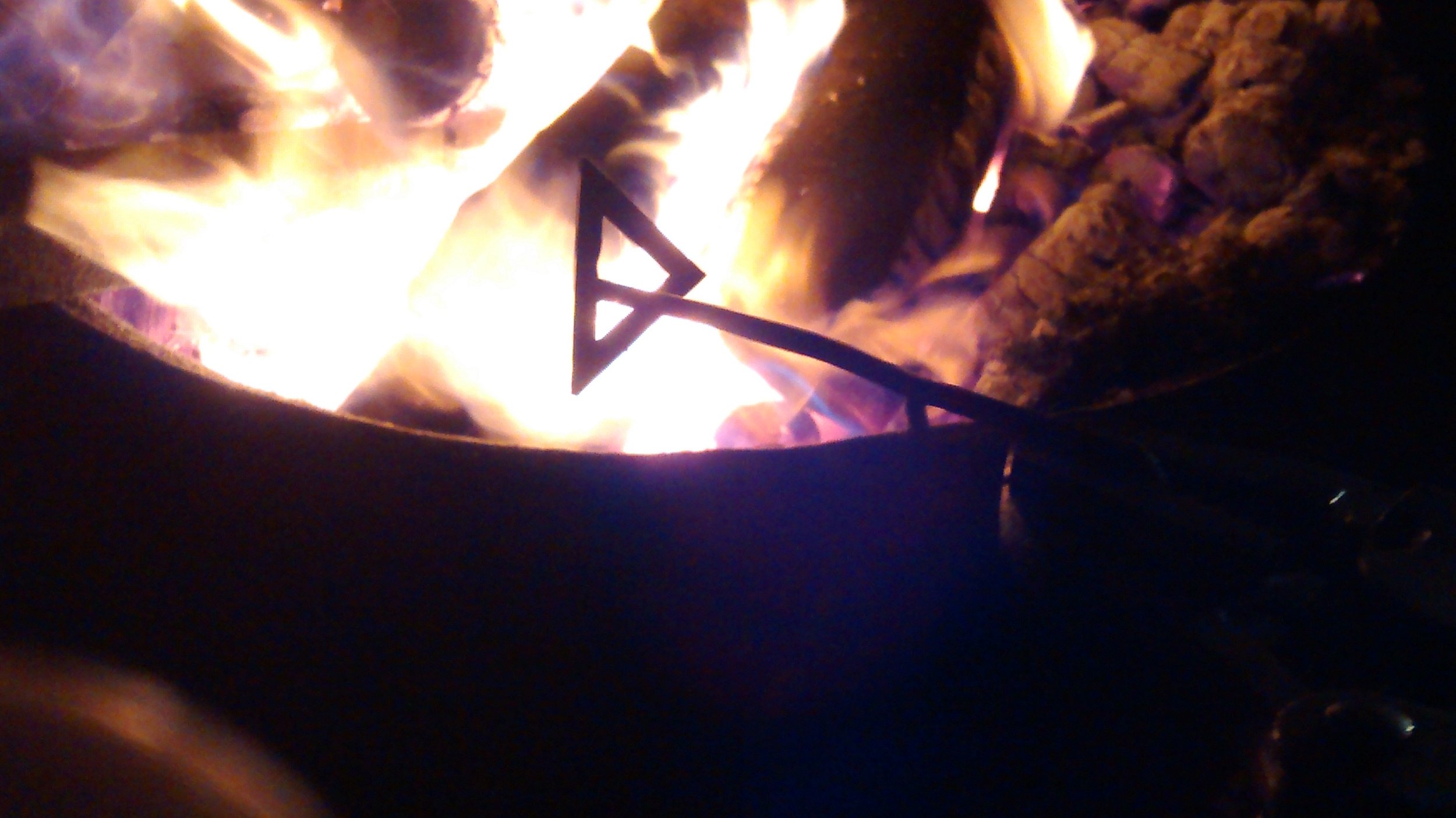
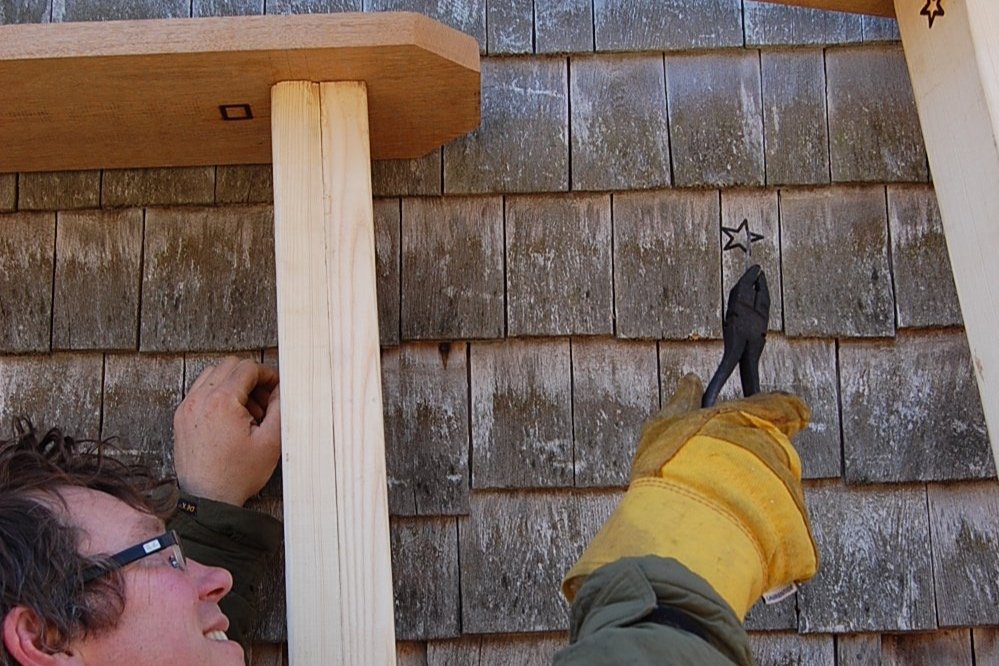
Our yurts do not use complicated fixtures or fittings. The roof pole end fits into a burnt mortice hole and uses high quality locally made dacron rope for the loop on the opposite end.
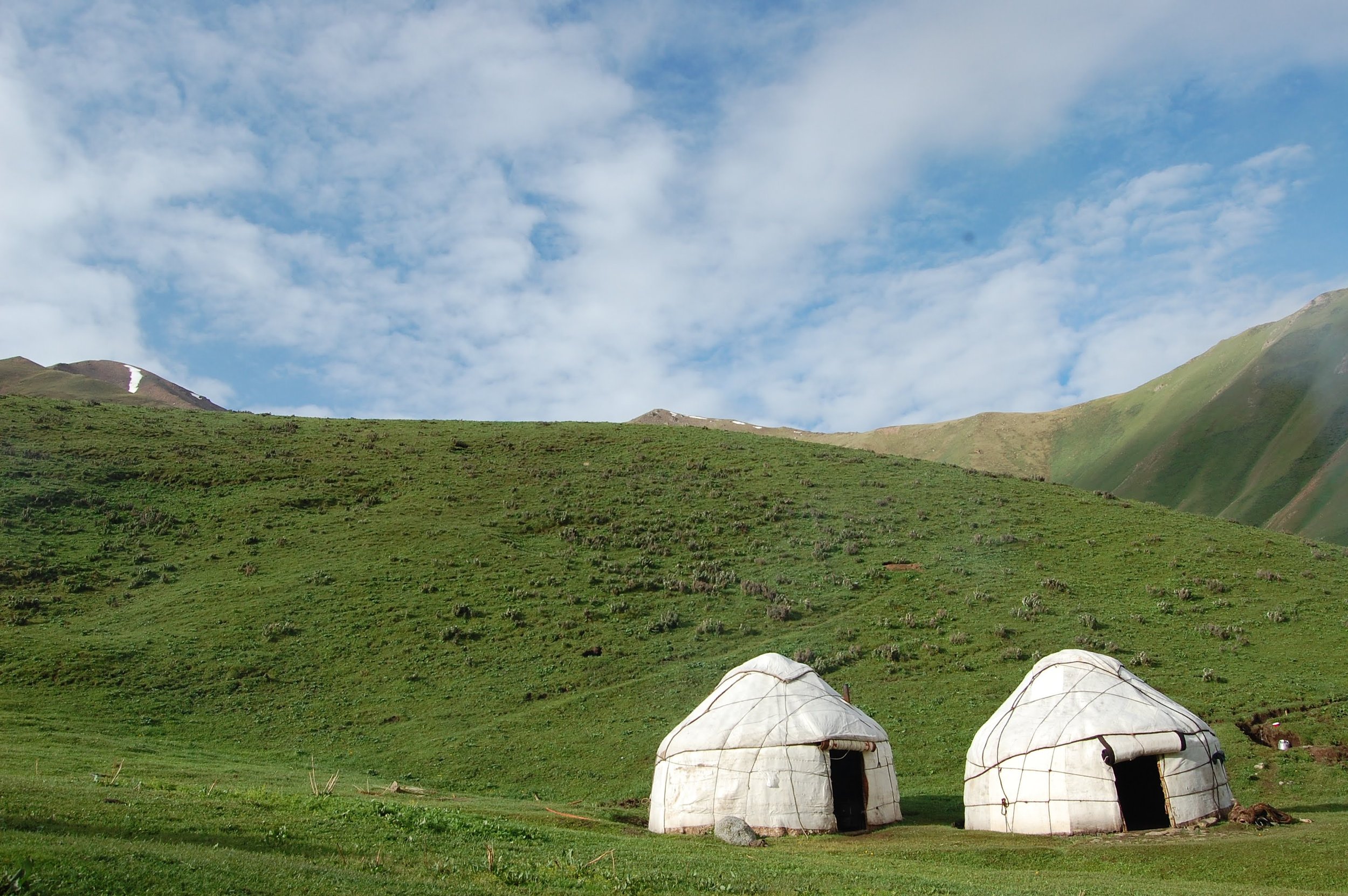
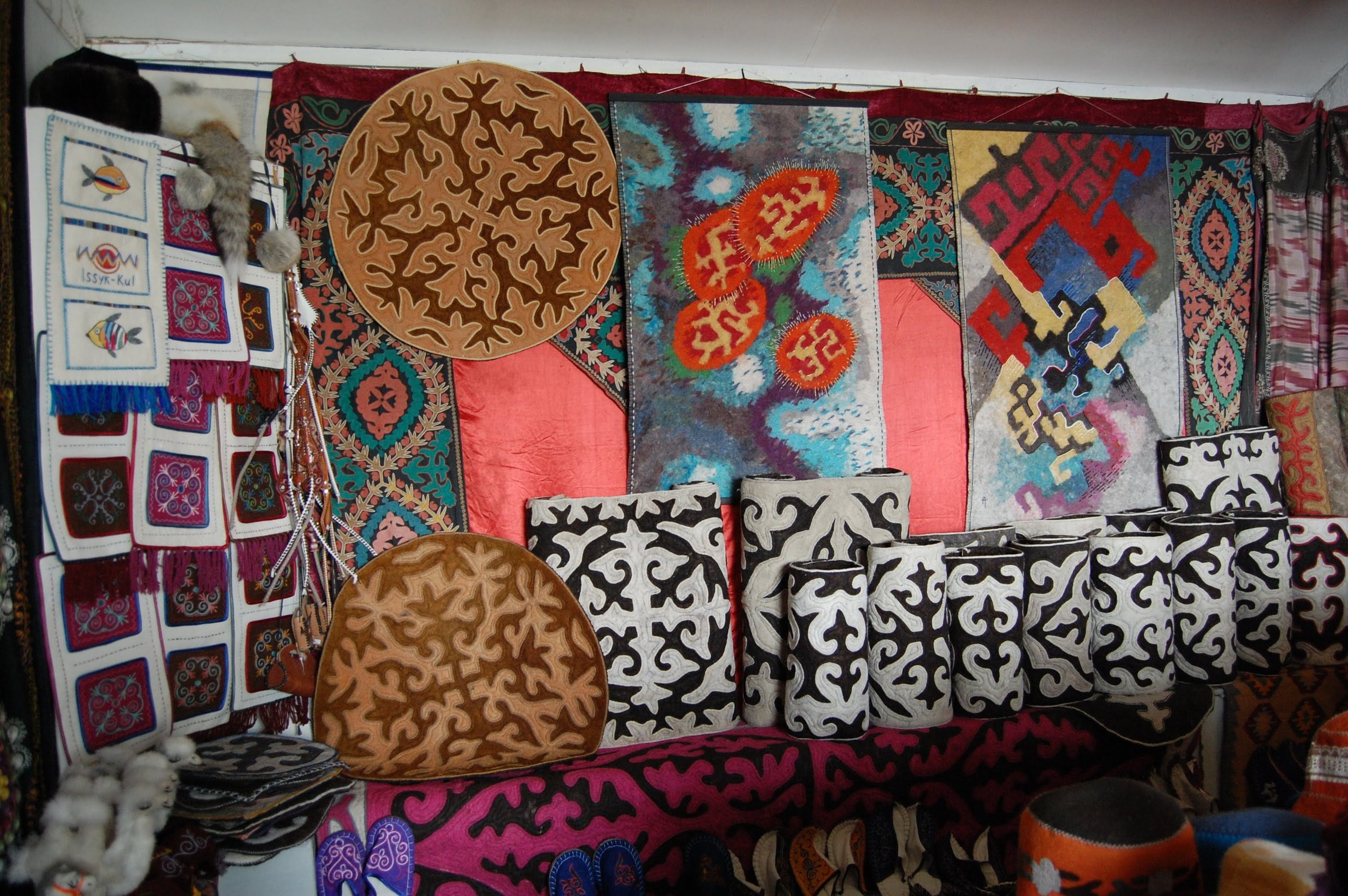
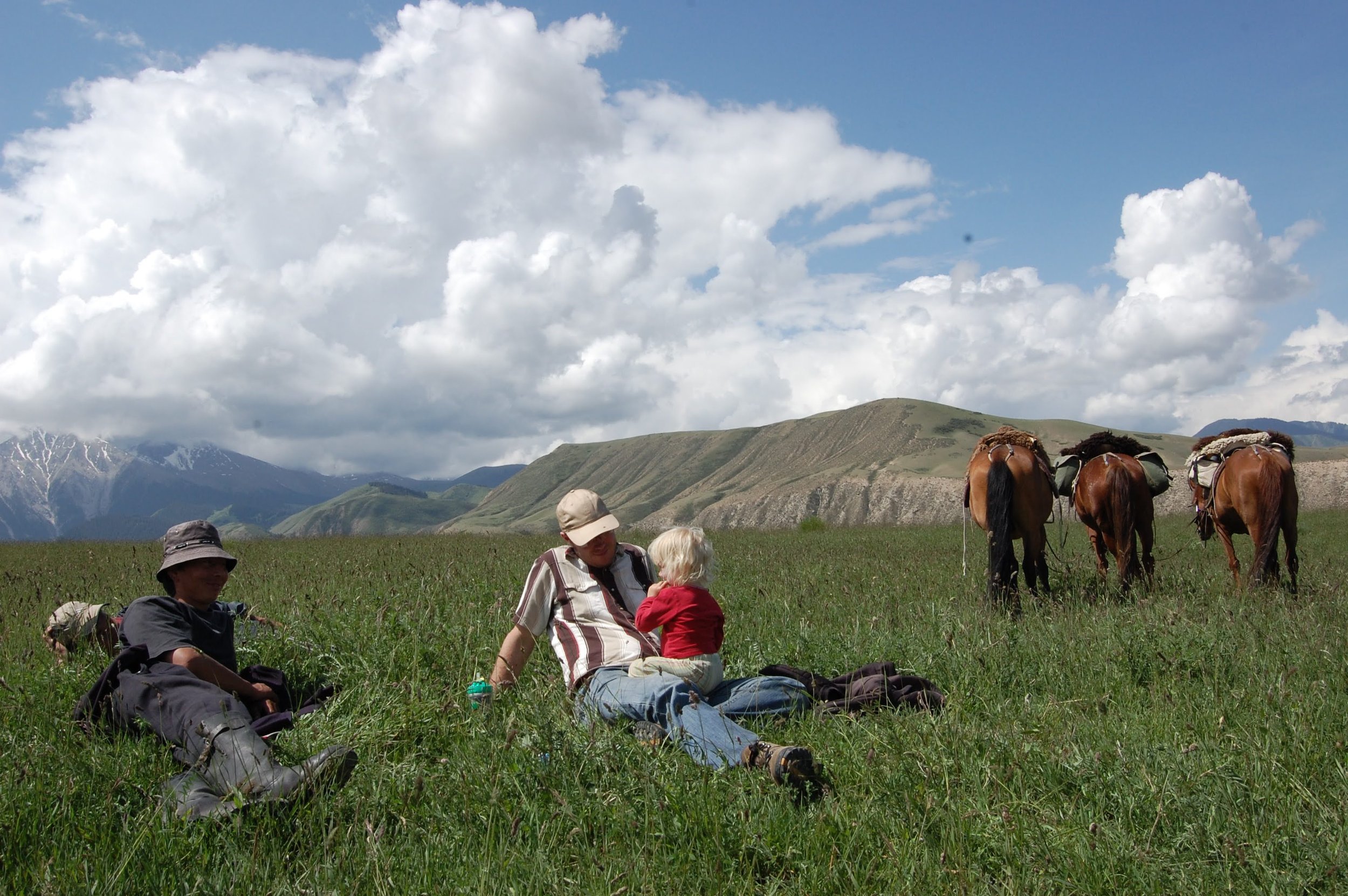
Our Trip to Kyrgyzstan
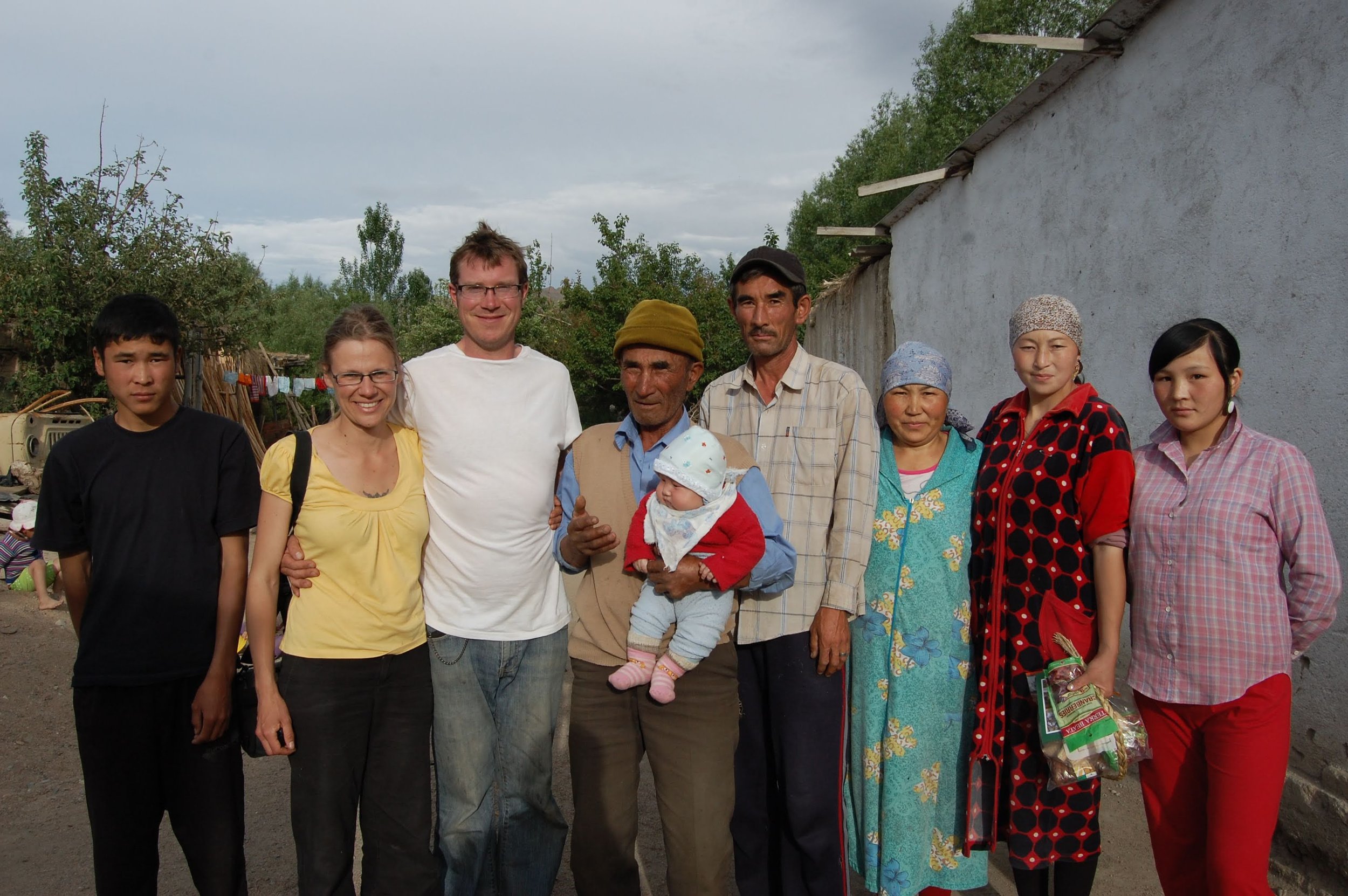
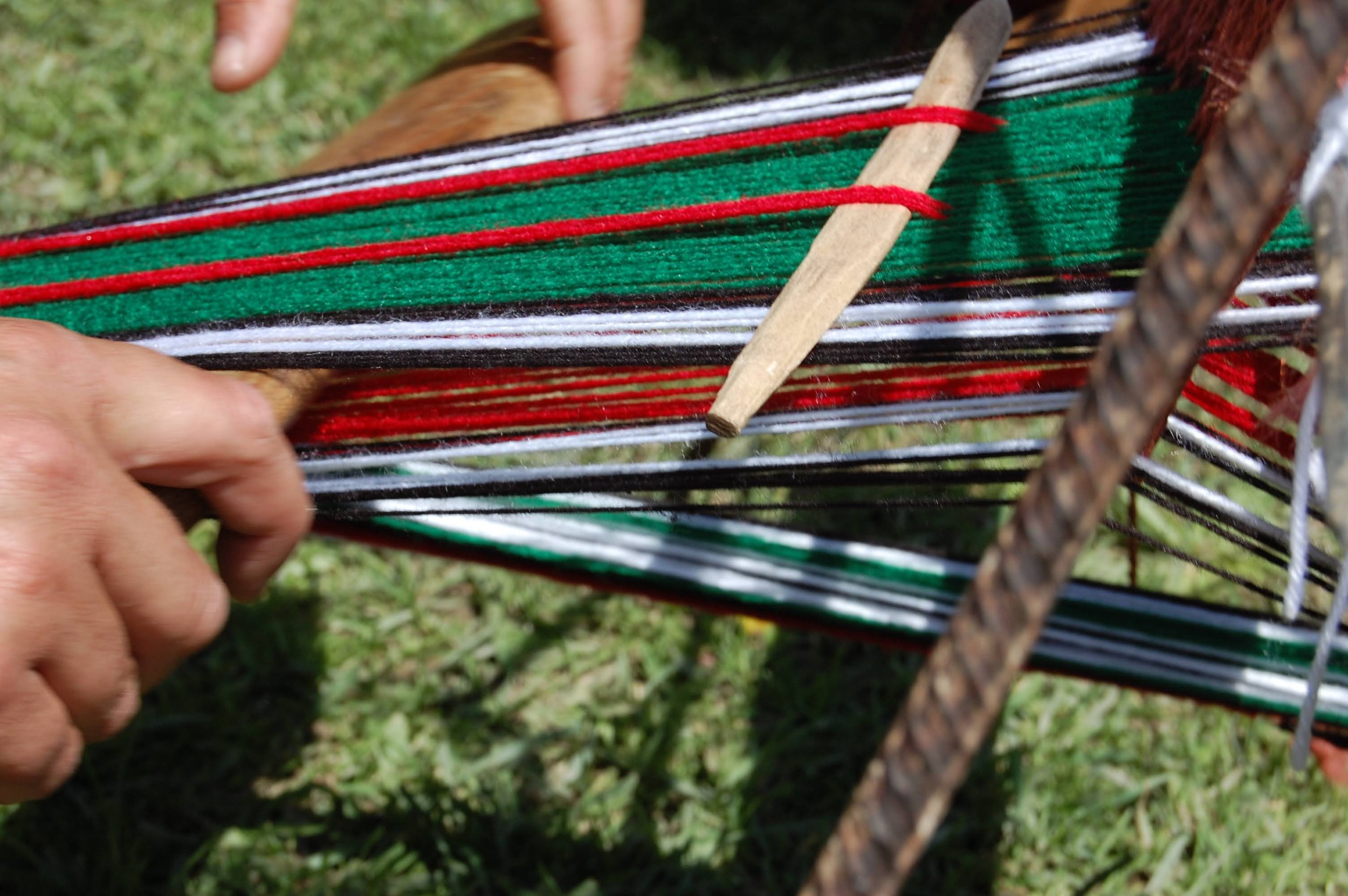
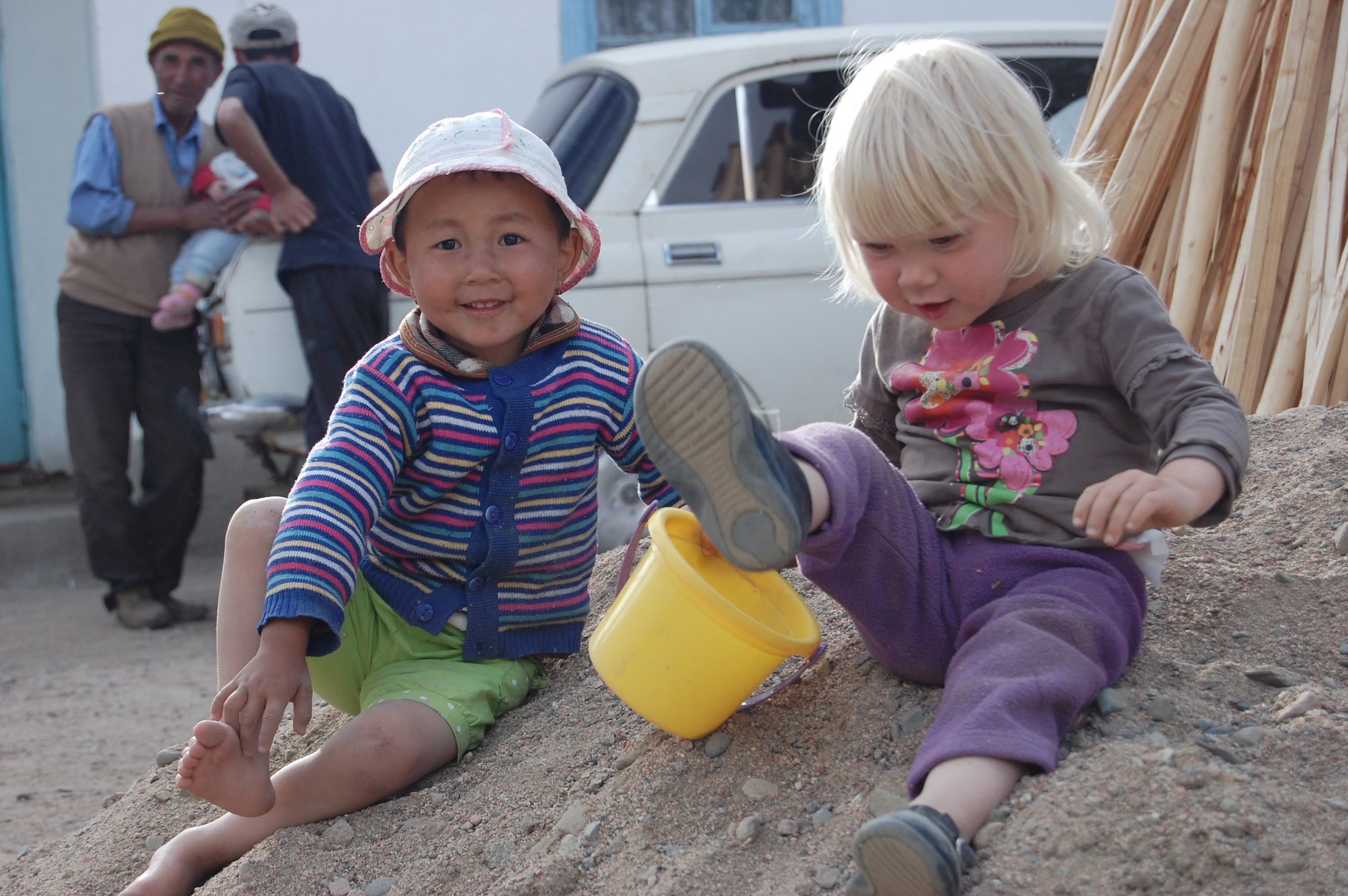
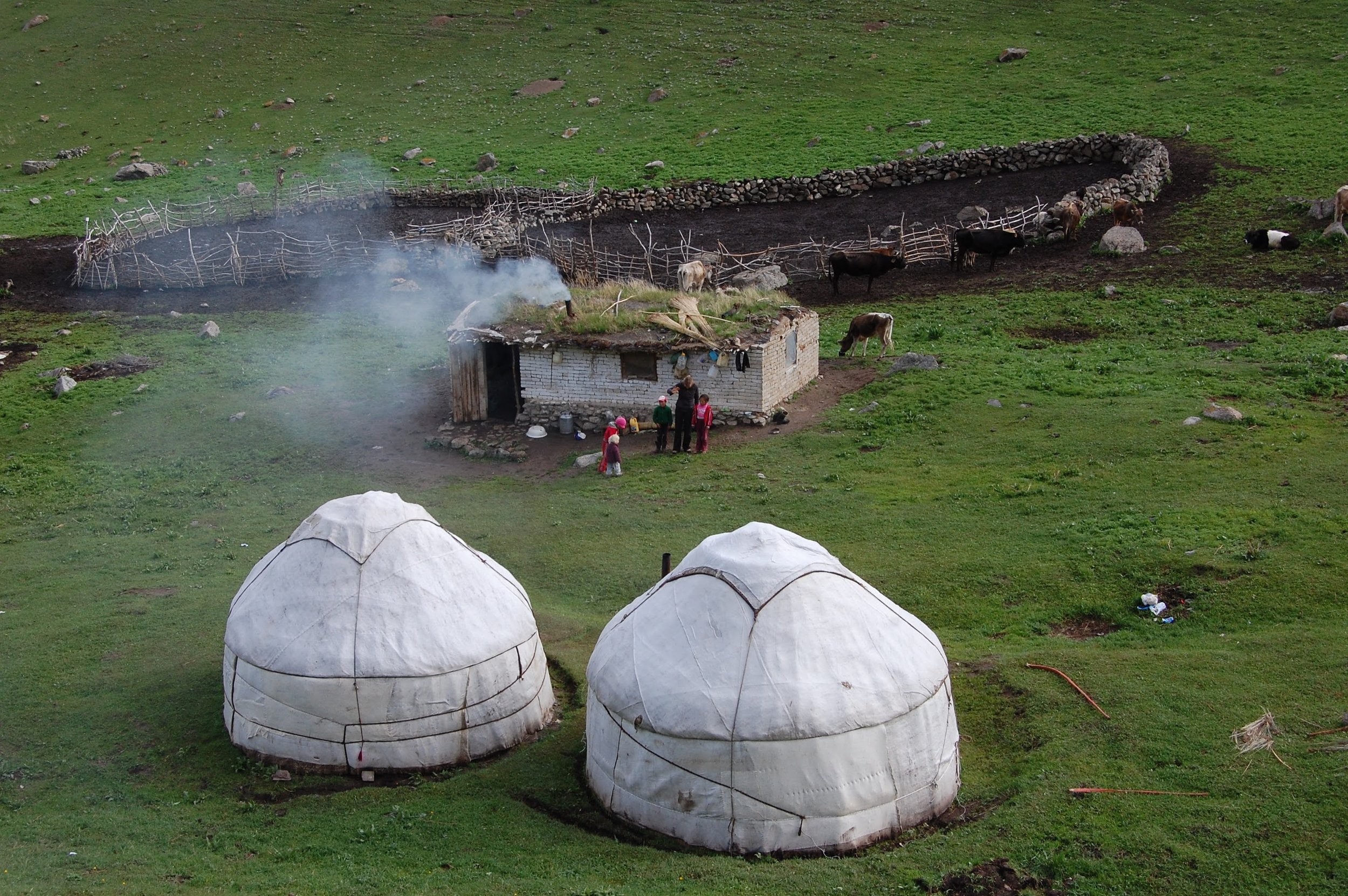
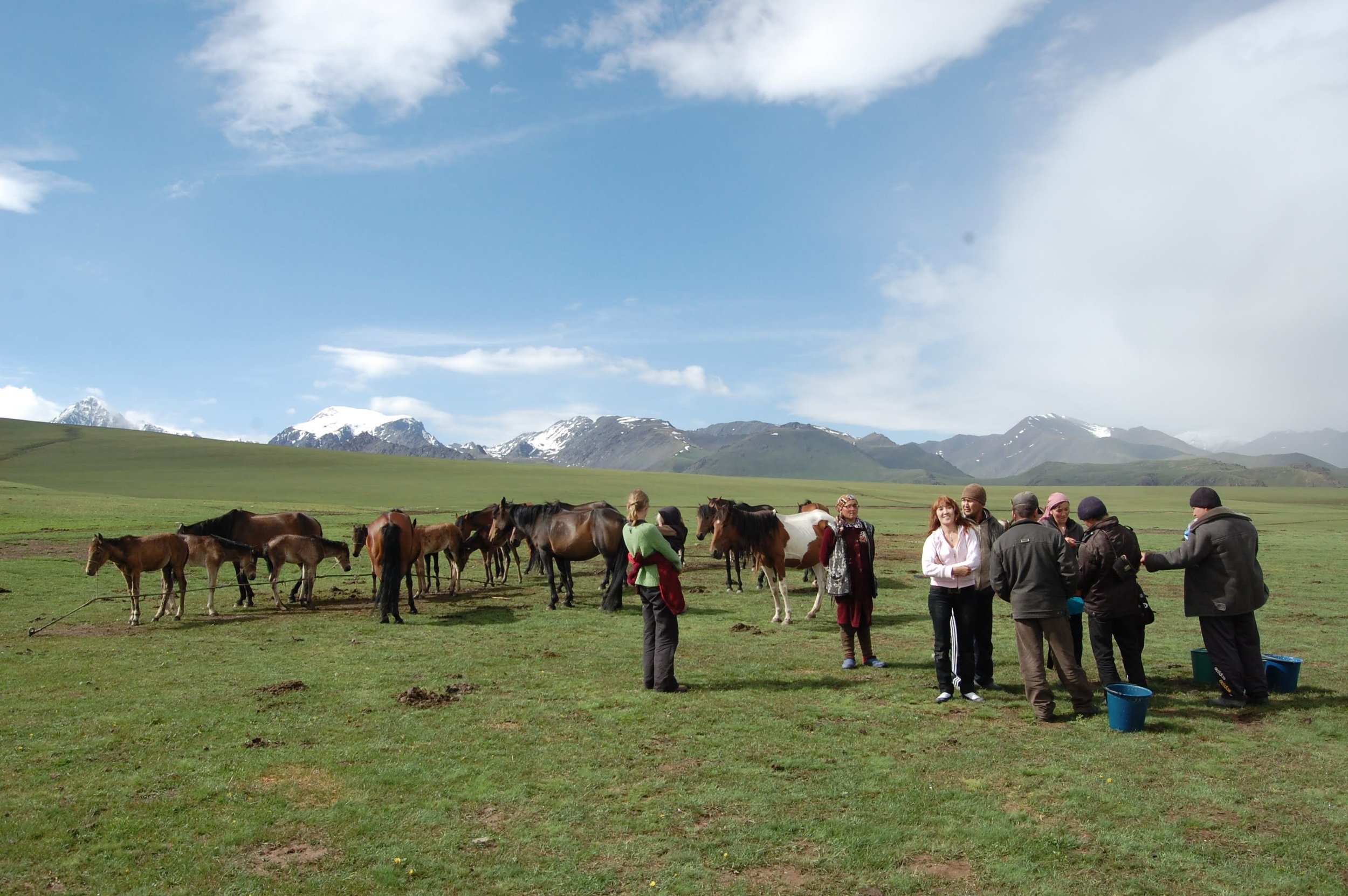
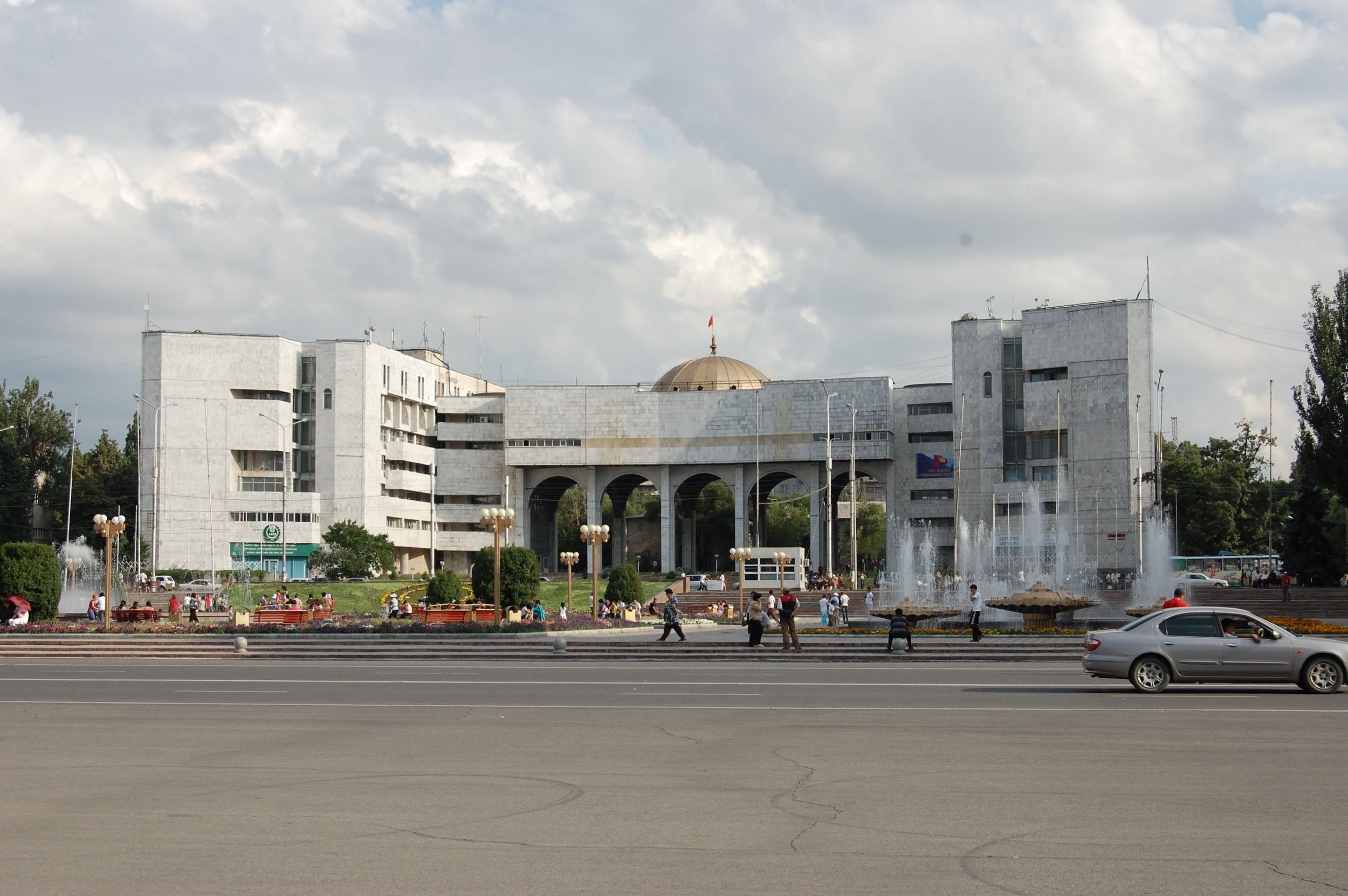
With over a decade of experience as yurt builders, we embarked on a journey to Kyrgyzstan in 2010 to deepen our cultural understanding of the people who create and still live in yurts. During our time there, we immersed ourselves in yurt living, learning from felt artisans in textile design and yurt masters in frame creation.